A Digital Exhibition
Tamizdat@Ca’Foscari
The BALI Collection of Tamizdat from the Biennale of Cultural Dissent in Eastern European Countries (1977)
An archival and scholarly project at the Ca’ Foscari University of Venice dedicated to the study, digitisation, and valorisation of a historical collection of Soviet, Central and Eastern European tamizdat stored at the Ca’ Foscari University Library.
Tamizdat@Ca’Foscari aims to promote a collection of 199 volumes which were showcased in 1977 at the Biennale of Dissent’s exhibition Libri, Riviste, Manifesti, Fotografie, Videotapes, Samizdat [Books, Journals, Posters, Photographs, Videotapes, Samizdat], which were subsequently donated to the Ca’ Foscari University Library of Foreign Languages and Literatures (BALI, Ca’ Bernardo).
Tamizdat@Ca’Foscari provides an interactive digital exploration of this historical book collection by presenting the results of extensive archival research conducted at several institutions (Hoover Institution Library and Archives — HILA, Stanford; Open Society Archives — OSA, Budapest; Historical Archive of Contemporary Arts — ASAC, Venice; Ca’ Foscari Historical Archive, Venice).
Tamizdat
The Russian acronym tamizdat — which literally means ‘published (izdat’) over there (tam)’, or abroad — traditionally refers to Soviet, Central and Eastern European texts that, having been censored or unpublished in the Eastern bloc (often for ideological reasons), were clandestinely smuggled across the Iron Curtain and published in the West.
The term tamizdat encompasses four different types of texts:
- works written in the Eastern bloc that were censored and/or unpublished there, and were therefore smuggled out of the USSR and its satellite countries to be printed in the West, both in translation (English, Italian, French, German, Dutch, Spanish etc.) and in the original languages (Polish, Russian, Ukrainian, Czech, Slovak, Bulgarian, Rumanian, Hungarian, Lithuanian, Latvian, and Estonian);
- translations into Russian and Eastern European languages of Western texts banned in the Eastern bloc;
- re-editions of texts originally published in Russia/USSR and Eastern Europe, which had become unavailable to Soviet and East European readers, often for ideological reasons;
- works written in the West by Soviet, Central and Eastern European émigré authors, and published there in Russian or other Central and Eastern European languages (Polish, Ukrainian, Hungarian, Czech, Bulgarian etc.), as well as in translation (English, French, Italian, German, Spanish etc.).
The Biennale of Dissent’s Book Collection at Ca’ Foscari BALI
The Biennale of Dissent’s book collection held at the Ca’ Foscari University Library (BALI — Ca’ Bernardo) is composed of 199 volumes (books and magazines) in several Western languages (such as Italian, English, French, Spanish, German, Dutch, etc.) and Central and Eastern European languages (such as Russian, Ukrainian, Polish, Bulgarian, Czech, Slovak, etc.).
The collection includes many titles of the most prominent Russian, Central and Eastern European writers (at home, as well as in emigration) and/or dissidents, such as Aleksandr Solzhenitsyn, Václav Havel, Josef Škvorecký, Ivan Dziuba, Iosif Brodski, Zdena Salivarová, Czesław Miłosz and many others.
The books were published by major Western publishing houses, such as Alfred Knopf, Penguin Books, Éditions du Seuil, Meulenhoff Nederland, Laterza, Edizioni Paoline, Jaca Book, etc. The collection also features works issued by publishing houses founded in the West by Russian, Central and Eastern European émigrés, including 68 Publishers[1], Smoloskyp[2], Index[3], Khronika Press.[4]
Some of these émigré publishing initiatives benefited, directly or indirectly, from the covert book-distribution programmes supported by the Central Intelligence Agency (CIA). These programmes were coordinated through intermediary organizations, such as the Free Europe Committee (FEC), whose Publications and Special Projects Division (PSPD) oversaw person-to-person and mailing secret-book operations across the Iron Curtain (Reisch; Sowiński, Cold War Books and Overseas Mechanism).
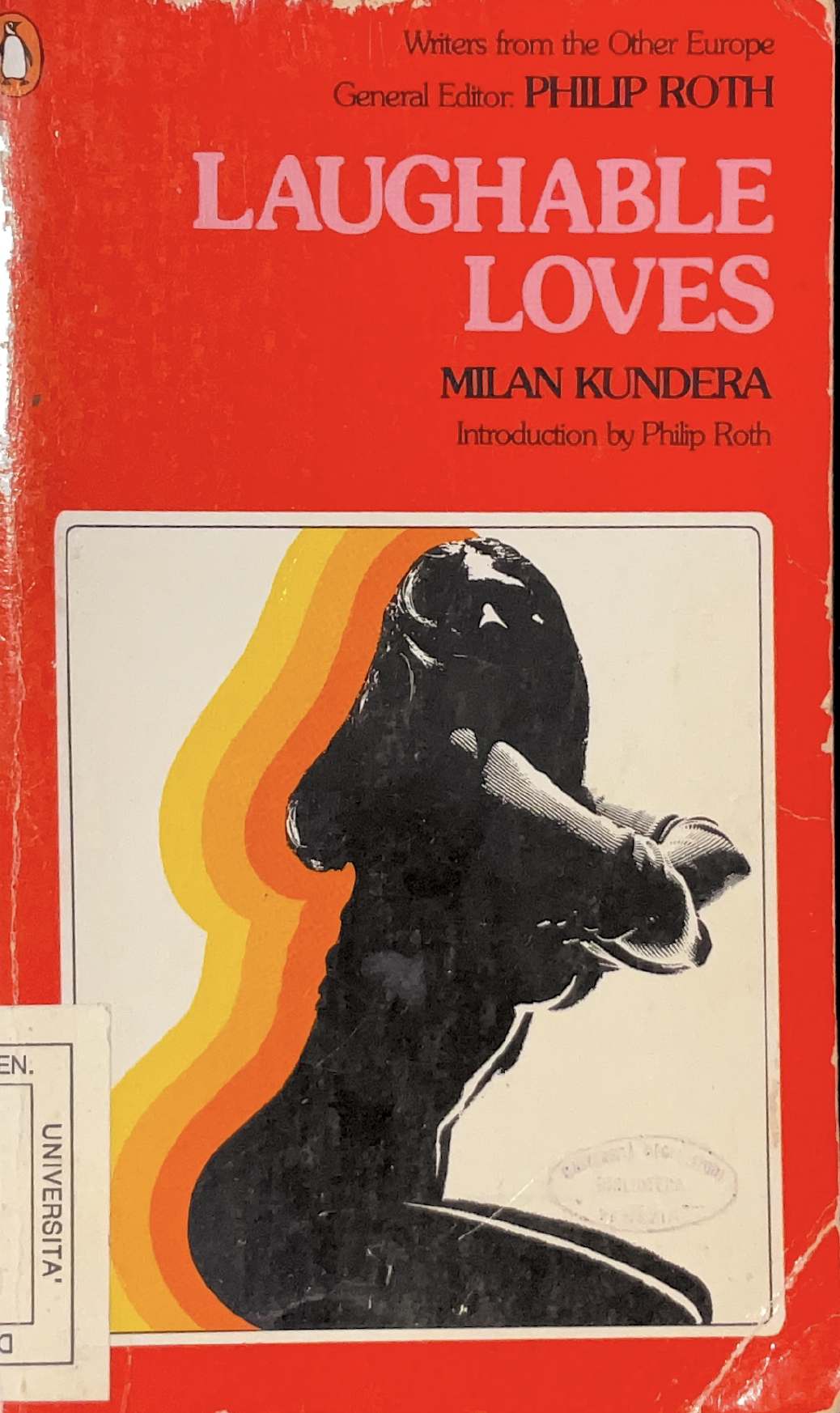
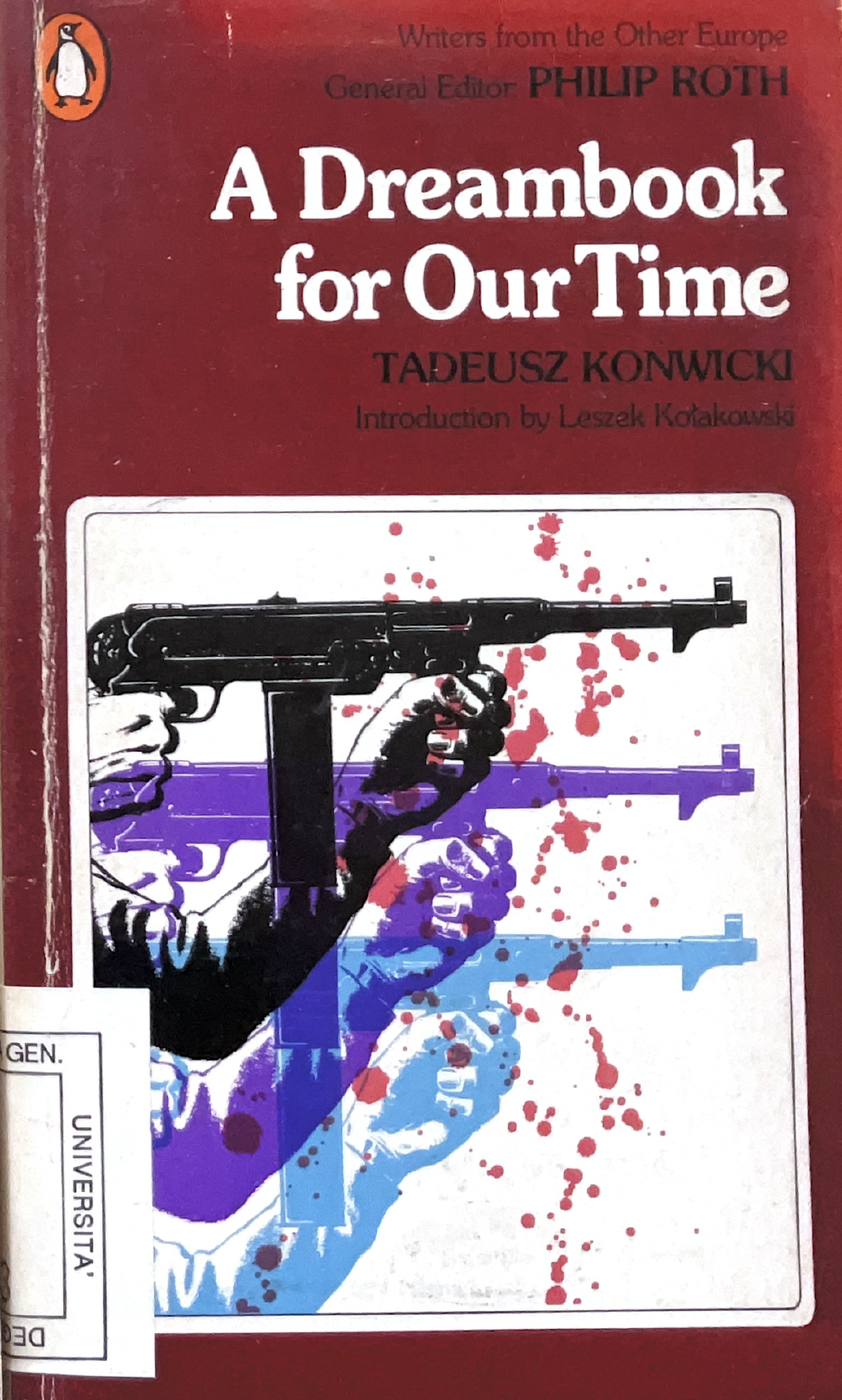
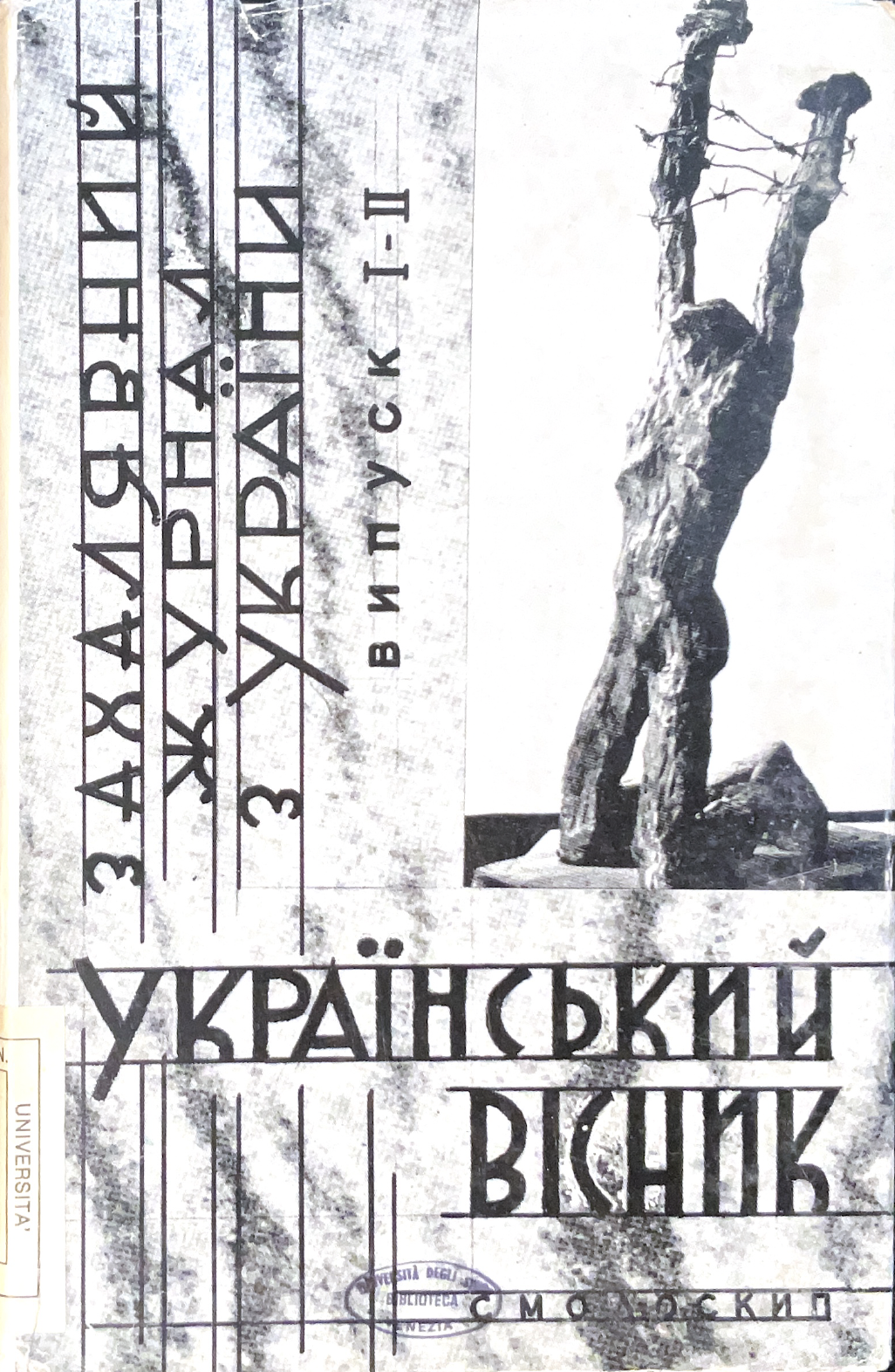
The collection also includes some noteworthy book series, such as “Writers from the Other Europe,” edited by the American writer Philip Roth and published by Penguin in London between 1976 and 1983, as well as tamizdat editions of magazines and literary journals banned in the Eastern Bloc, such as the Soviet Khronika zashchity prav v SSSR [Chronicle of the Defense of Human Rights in the USSR] or the Ukrainian underground journal Ukraïns’kii visnik [The Ukrainian Herald].
Most of the items in this collection belong to one of the four categories of tamizdat described above. Some volumes, however, are not tamizdat in the strict sense of the term. This is the case, for example, with books written and published in the West by Western authors. Nonetheless, they were included in the Biennale of Dissent’s exhibition because they were connected in various ways to cultural and literary dissent in the Soviet Union, Central and Eastern Europe, or to related debates. Among the volumes that do not fall within the category of tamizdat are biographies of Soviet, Central and Eastern European dissidents (such as André Martin’s Vladimir Bukovskij. Il contestatore and Sakharov et le combat pour les droits de l’homme en U.R.S.S.), as well as scholarly studies devoted to Soviet, Central and Eastern European writers and scientists (such as Brian Keith-Smith’s Johannes Bobrowski and Giovanni Codevilla’s Stato e Chiesa nell’Unione Sovietica).
Nonetheless, all the books showcased at the Biennale of Dissent, and consequently in this digital exhibition, shared one important feature: they had served, in one way or another, as instruments of the cultural Cold War.
Books in the Cultural Cold War
The exhibition Libri, Riviste, Manifesti was organized in 1977, a pivotal year for the international human-rights agenda.[5] That year, Italy was the stage of two important initiatives which promoted the defence of human rights in the USSR and its satellite countries: the Second Session of the International Sakharov Hearings (Rome, 25–28 November 1977) and the Biennale of Dissent (Venice, 15 October – 17 November 1977). The Biennale’s commitment to supporting Soviet and Eastern European dissidents and émigré artists was clearly stated on many occasions by the President of the Venetian cultural institution, Carlo Ripa di Meana:
[…] the world of culture cannot remain indifferent to, for example, the growing emigration of artists and intellectuals from the Eastern countries; to the difficulties (including imprisonment) that well-known international artists and intellectuals often encounter; to the suppression of numerous works; to the circumstances in which samizdat editions become necessary to circulate poetry and fiction.— Ripa di Meana, News from the Biennale
However, to fully understand the symbolic and material meaning and value of the Biennale’s book exhibition (in Bourdieu’s sense of the term), it must be situated within the broader transnational socio-cultural, geo-political and historical context of the so-called “cultural Cold War” (Scott-Smith and Krabbendam), a period during which books were frequently deployed as ideological weapons (Reisch).
This perspective is particularly relevant given that many of the tamizdat editions exhibited on that occasion appear among the titles distributed to Eastern Bloc countries through the Publications and Special Projects Division’s (PSPD) covert book-distribution programmes, which were funded by the FEC (HILA and OSA).
The main purpose of Tamizdat@Ca’Foscari is to provide a transnational historical and socio-cultural interpretation of the Biennale of Dissent by emphasizing the international significance of the exhibition Libri, Riviste, Manifesti, Fotografie, Videotapes, Samizdat. The project aims to address a gap in the existing historiography of the Biennale of Dissent by bringing renewed attention to its comparatively understudied exhibition of tamizdat and samizdat.[6]
Showcasing the Tamizdat at the Biennale of Dissent (1977)
In 1977, under the direction of Carlo Ripa di Meana, the Biennale del dissenso culturale nei paesi dell’est [Biennale of Cultural Dissent in the Eastern European Countries], known as the “Biennale del dissenso” [Biennale of Dissent], was held in Venice. The event was divided into nine sections: visual arts; music; cinema; theatre; mass media, communications, books and samizdat;[7] literature and poetry; history; religion and scientific research.
The Biennale’s programme hosted three different main exhibitions:
- La nuova arte sovietica: una prospettiva non ufficiale [The New Soviet Art: a Non-Official Perspective], dedicated to the unofficial visual arts of the USSR and Eastern Europe (Russia, Czechoslovakia, Poland, Hungary, etc.);
- Grafica cecoslovacca: Undici anni di ricerca, 1965–1975 [Czechoslovak Graphic Art: Eleven Years of Research, 1965–1975], devoted to Czechoslovak underground graphics; and
- Libri, Riviste, Manifesti, Fotografie, Videotapes, Samizdat [Books, Journals, Posters, Photographs, Videotapes, Samizdat], an exhibition dedicated to a wide photographic, audio, video and literary documentation that testified to the different forms of expression of cultural dissent produced clandestinely in the Eastern bloc (samizdat, magnitizdat),[8] as well as in the Western one (tamizdat), including also a few Western works.
In an open letter published in The New York Review on 15 September 1977, Carlo Ripa di Meana responded to journalist Furio Colombo’s article “Italy: The Politics of Culture” (published in the same magazine on 14 September 1977). In his reply, the President of the Venice Biennale described the exhibition of Soviet and Eastern European clandestine publications (samizdat and tamizdat) in the following terms:
The book exhibition will primarily focus on samizdat editions from different countries, as well as on those specialized books, magazines, and newspapers which are published abroad in their original language, or in translation, by people who still consider themselves a part of the culture of a country where, for one reason or another, they do not live. Translations of books from Eastern European countries that are commercially published throughout the world will be on sale at this exhibition. We hope that the American publishers of these translations will take part, along with those in the United States and Europe who publish the works of Eastern European authors in their original language.— Ripa di Meana, News from the Biennale
The archival holdings of the Biennale of Dissent preserved at the Historical Archive of Contemporary Arts (ASAC, Porto Marghera — Venice) contain only a limited number of documents relating to the exhibition Libri, Riviste, Manifesti, Fotografie, Videotapes, Samizdat. The general programme of the Biennale of Dissent includes only a brief description of the different types of printed materials featured in the exhibition:
The Books and Samizdat exhibition, which opens November 15th, will be divided into four sections: — Translated books on the market; — Books in the original languages of Eastern European countries published abroad; — Magazines and newspapers; — Samizdat.[9]— ASAC, Programma della Biennale
The same document also stated that, once the exhibition had ended, the collection of books would be donated by the publishers to the Ca’ Foscari University Library:
Exhibitors [at the Biennale of Dissent’s Book exhibition] have been asked to leave their books at the Venice University Library, which in turn has promised to organize another exhibition at its premises at a later date. Special collaboration will be made with the university’s Institute of Slavic Studies to ensure that students are present during the exhibition and provide explanations to visitors. […] Over 300 Italian and foreign publishers have so far been invited to participate in the exhibition with their books.[10]— Ibidem
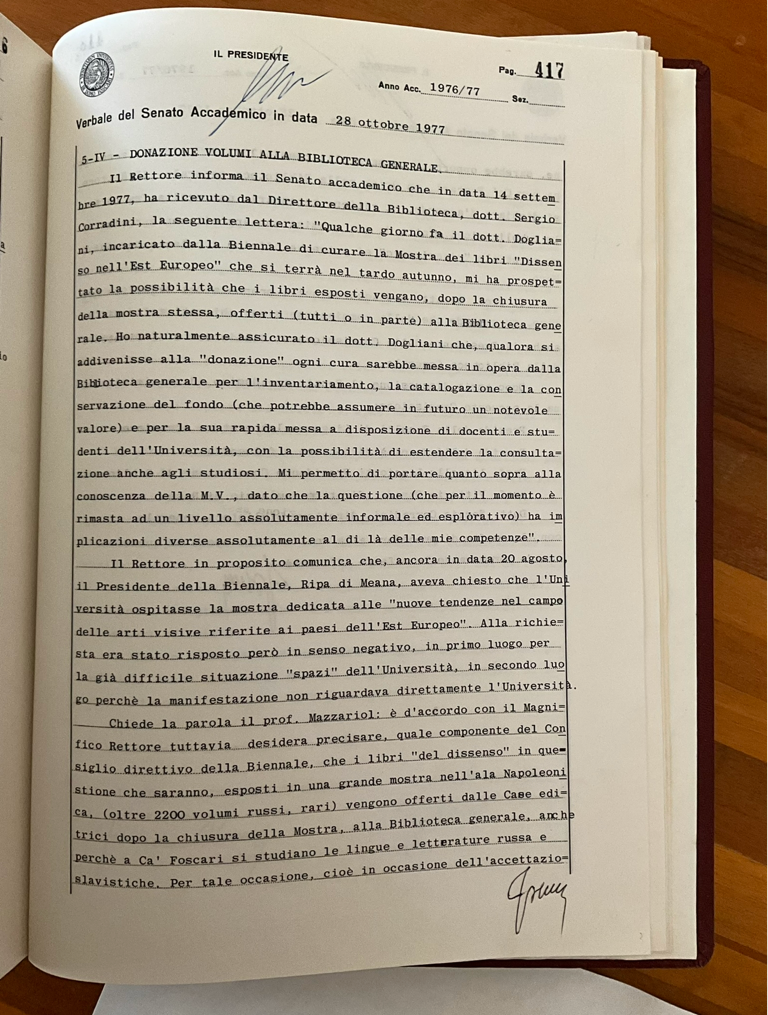
Further evidence of this donation is preserved in the records of the Ca’ Foscari Historical Archives [fig. 1]. At a meeting of the Academic Senate held on 28 October 1977, Rector Feliciano Benvenuti informed the Senate of a letter sent to Sergio Corradini, Director of the General Library, by Professor Gianfranco Dogliani. In addition to teaching English literature at Ca’ Foscari, Dogliani had been appointed curator of the exhibition Libri, Riviste, Manifesti, Fotografie, Videotapes, Samizdat for the Biennale of Dissent. In his letter, he outlined a proposal to donate the books exhibited at the Biennale to the Ca’ Foscari University Library.
Although Corradini clarified that the matter was still “at a purely informal and exploratory stage” (Ca’ Foscari Historical Archives, Minutes of the Academic Senate 418), the matter was nevertheless discussed by the Academic Senate. During the debate, Giuseppe Mazzariol, Professor of Contemporary Art History and a member of the Biennale’s Board of Directors, explained that the “books of dissent” — which he estimated at 2,200 volumes — would be donated by the publishing houses participating in the exhibition. He further emphasized the relevance of the collection for Ca’ Foscari, where Slavic languages and literatures were taught and studied.
The Rector expressed his support for the proposal but stressed the need to appoint a special commission to evaluate and select the works of greatest interest to the University (Ca’ Foscari Historical Archives, Minutes of the Academic Senate 417). The commission, established during the same meeting, consisted of the deans of the Faculties of Foreign Languages and Literatures and of Humanities; Professor Lionello Lanciotti, President of the Library Commission; Professor Vittorio Strada, Director of the Russian Seminar; and Professor Sergio Corradini, Director of the General Library (Ivi, 418).
Unfortunately, the archival record is incomplete. The minutes of the General Library for the years 1977–1979 are missing from the holdings of the Ca’ Foscari Historical Archives (Minutes of the General Library meetings), and no documentation relating to the meetings of the Special Commission appointed by the Academic Senate to select the books donated by the Biennale has survived. As a result, the university archives provide little additional evidence for reconstructing the history of this book collection and the circumstances of its acquisition by Ca’ Foscari.
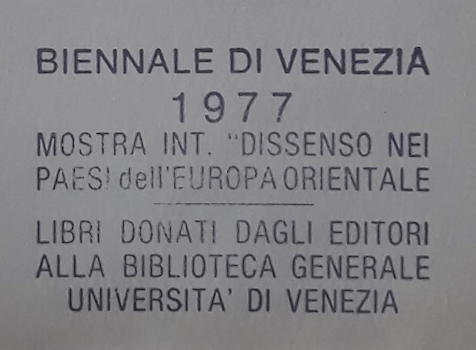
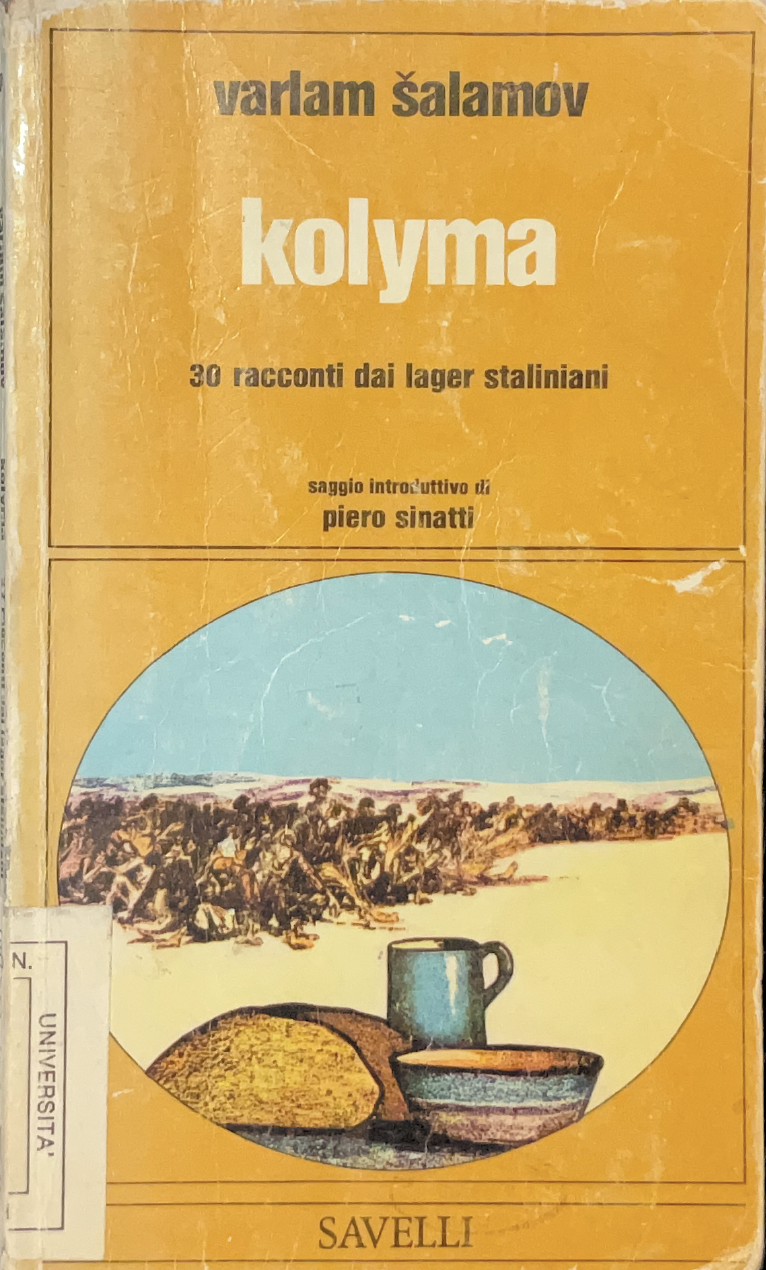
Nonetheless, meticulous research in the catalogue and among the holdings of the Ca’ Foscari University Library (BALI, Ca’ Bernardo) has made it possible to reconstruct the composition of this historic book collection donated by the Biennale. The first volume in which the author identified the Biennale of Dissent donation stamp [fig. 2] was, not coincidentally, a rare copy of the first Italian edition of Varlam Shalamov’s Kolymskie rasskazy [Kolyma Tales], translated by Piero Sinatti and published by Savelli in 1976 under the title Kolyma: Trenta racconti dai lager staliniani.
The publication of this work sparked a lively intellectual debate in Italy. Among those who engaged with Shalamov’s work was Primo Levi, whose reflections appeared in the review “Dai Lager di Stalin.” The significance of Shalamov’s writings and their Italian reception would also be discussed by the Polish émigré intellectual Gustaw Herling-Grudziński and by Sinatti himself (Herling-Grudziński and Sinatti, Ricordare, raccontare).[11]
The (Digital) Catalogue of the Exhibition
From 24 June to 30 September 2026 a selection of tamizdatpublications from the ‘Biennale77 collection’ will be available at two locations within the Ca’ Foscari Library System:
— BALI-CFZ (Dorsoduro 1392, Fondamenta Zattere, Venezia)
— BALI-Ca’ Bernardo (Dorsoduro 3199, Calle Bernardo, Venezia)
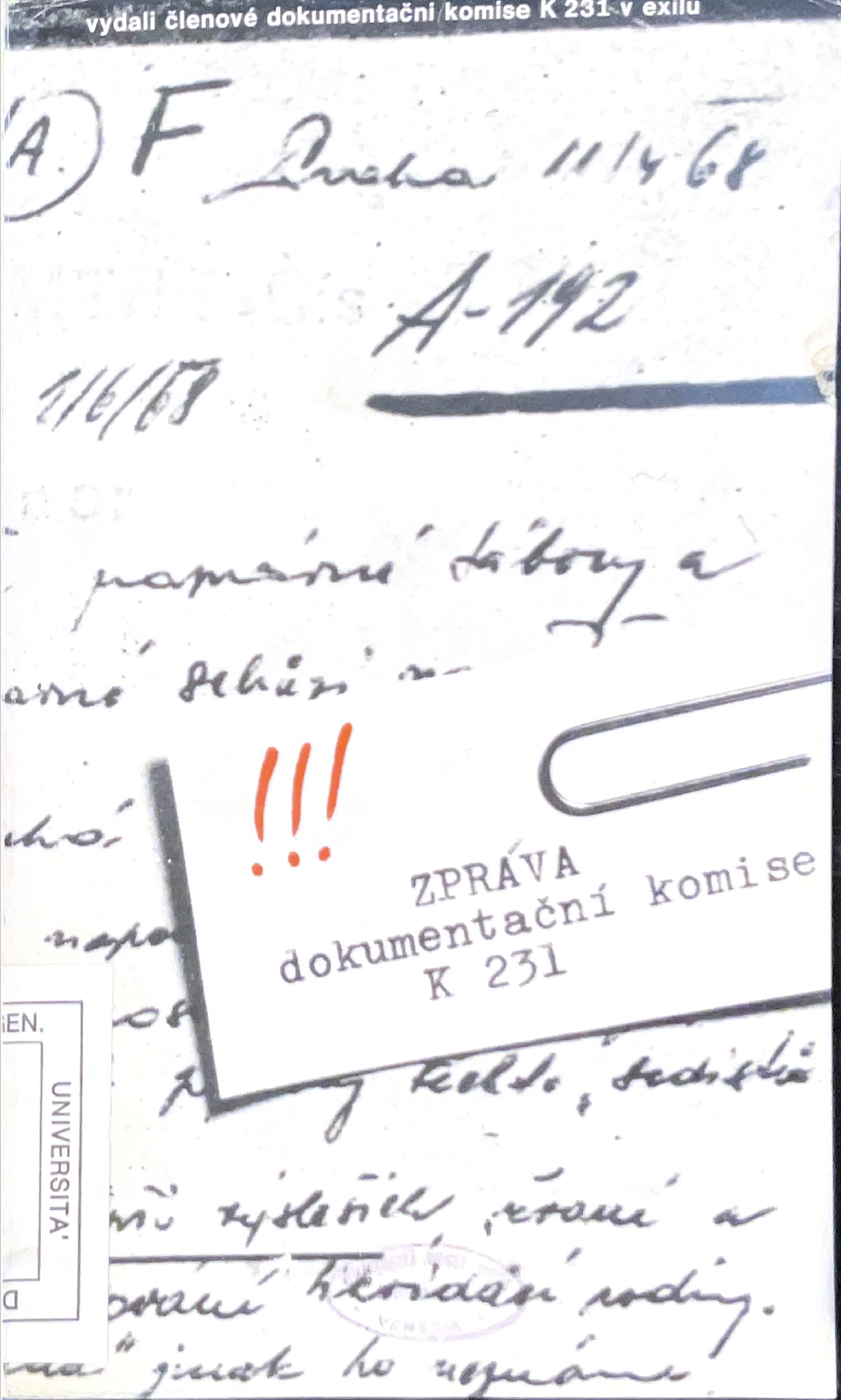
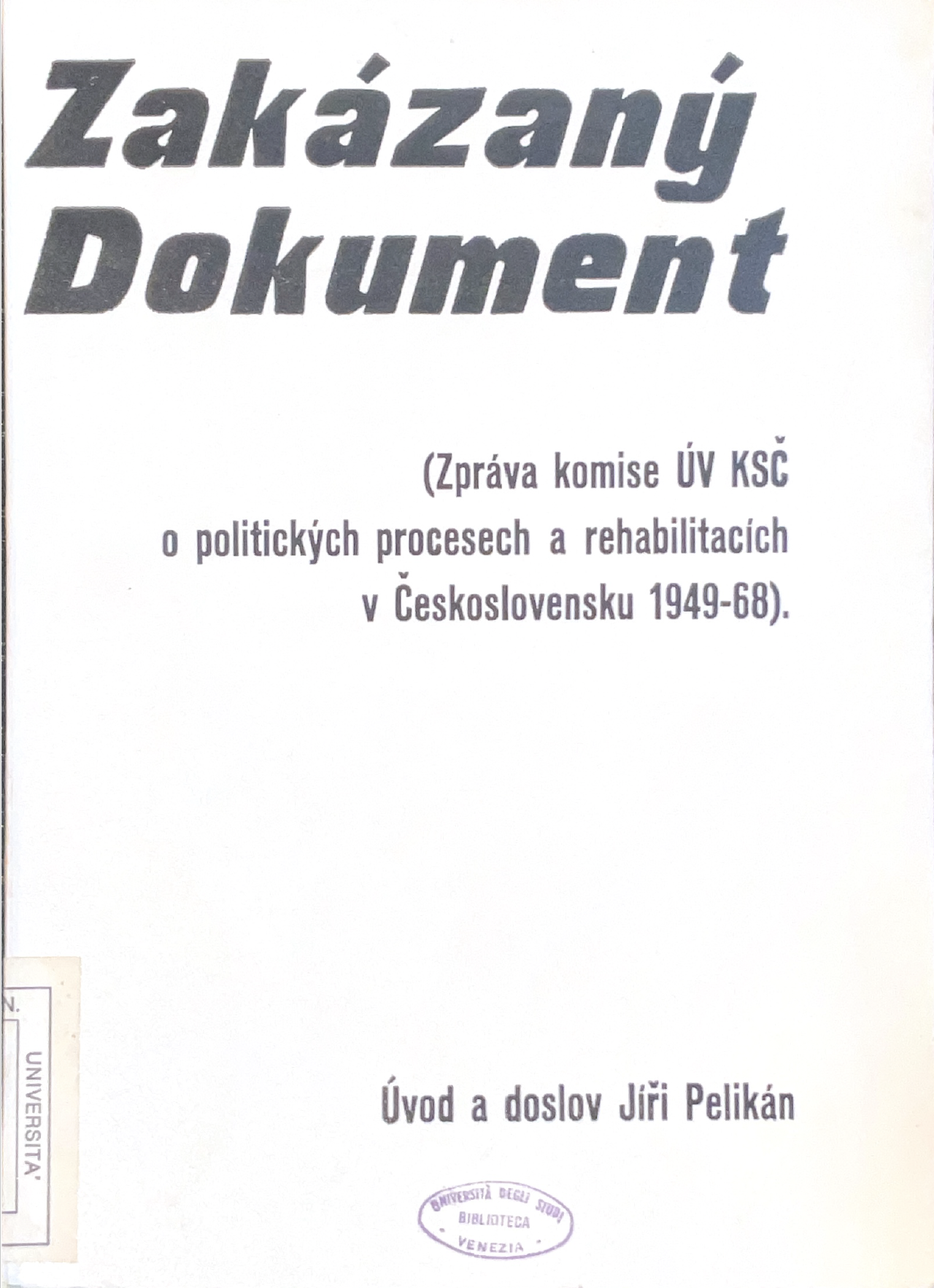
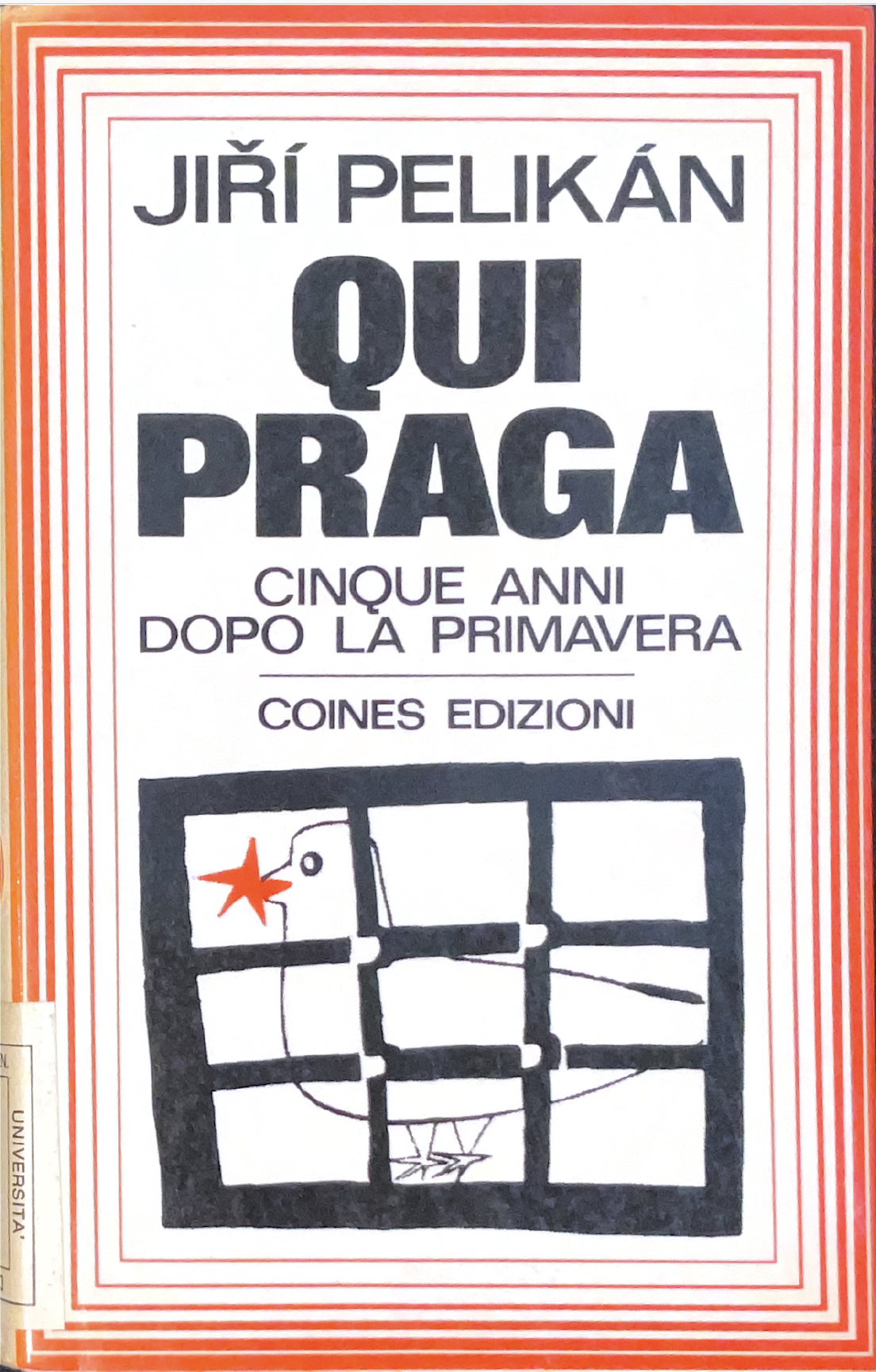
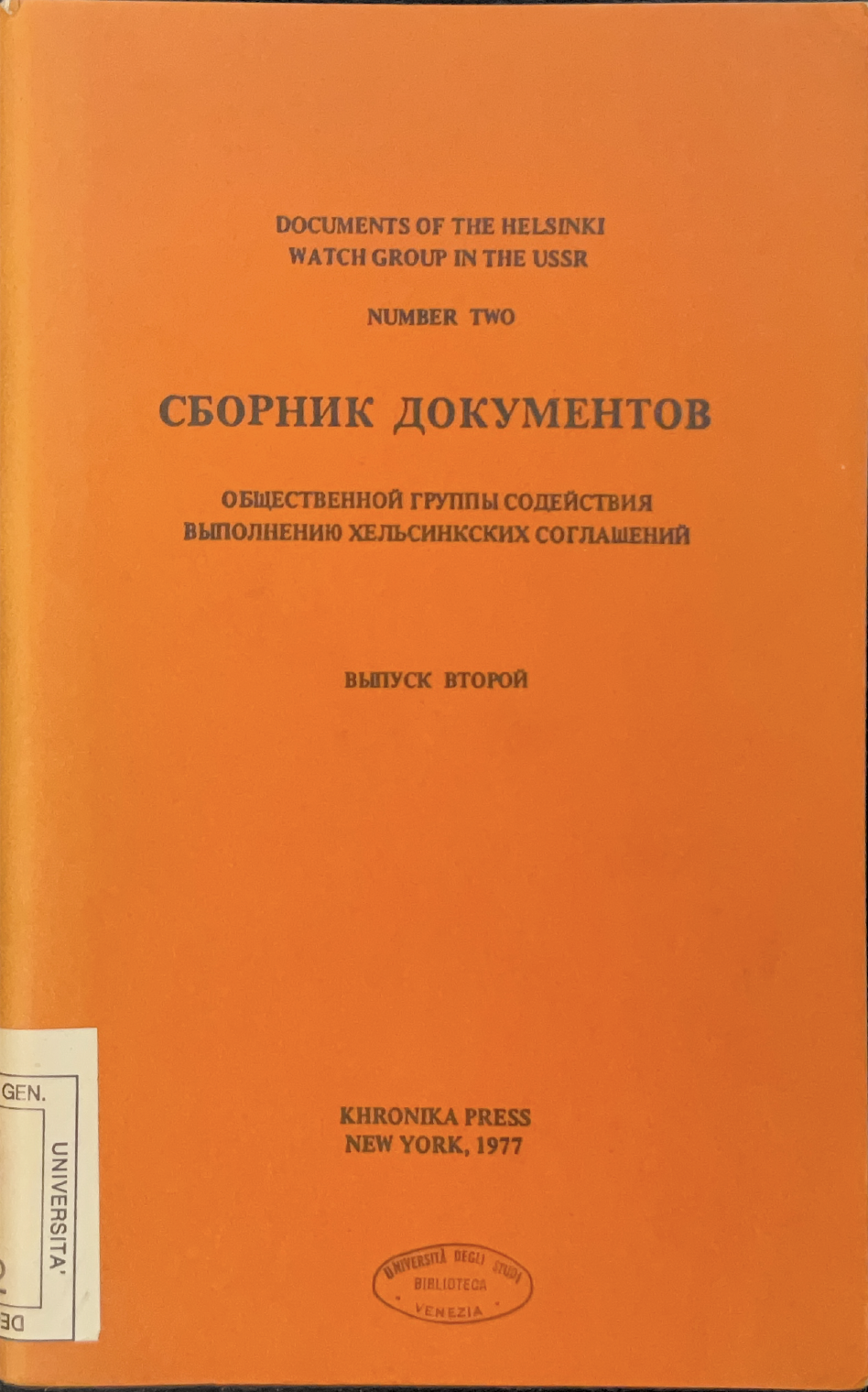
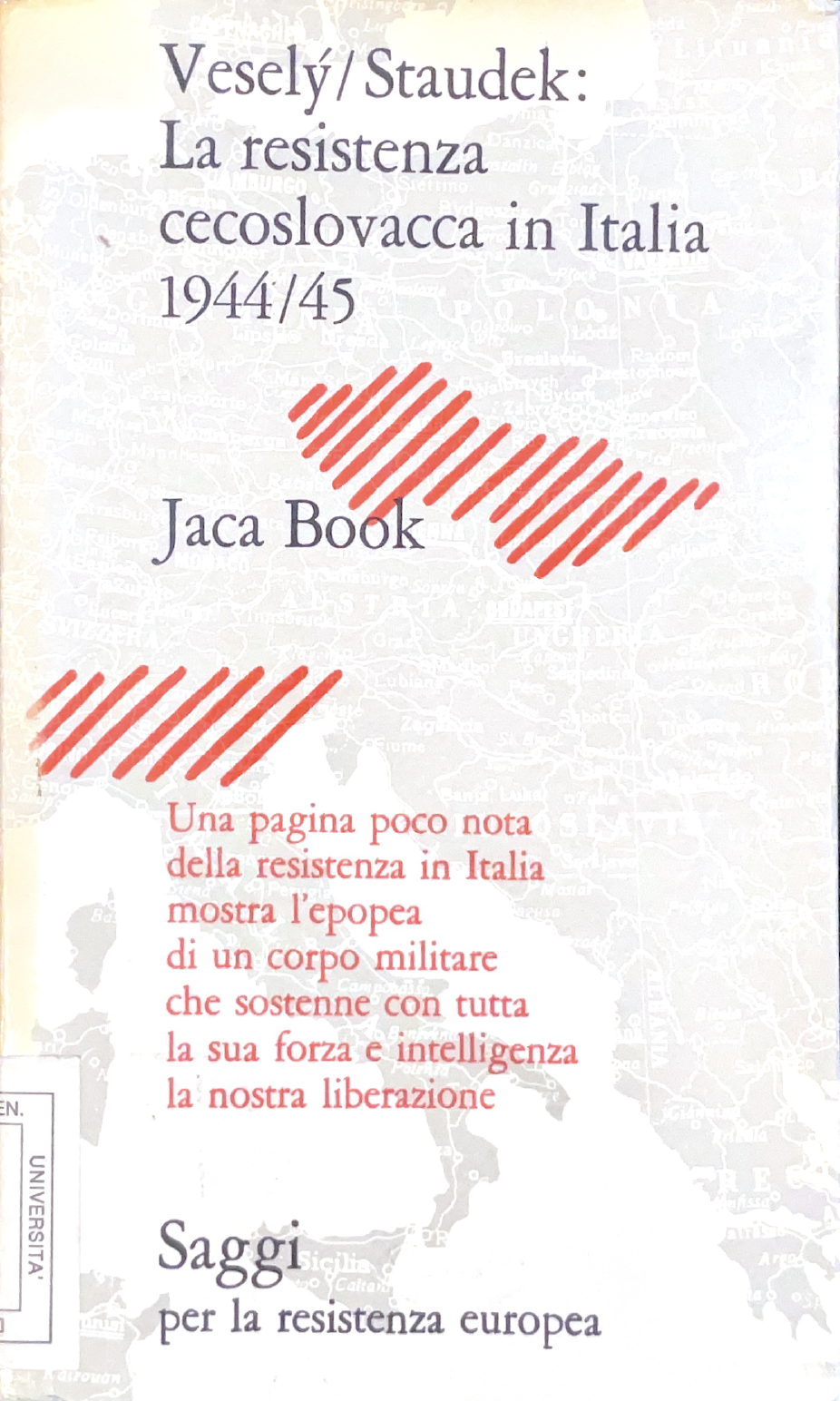
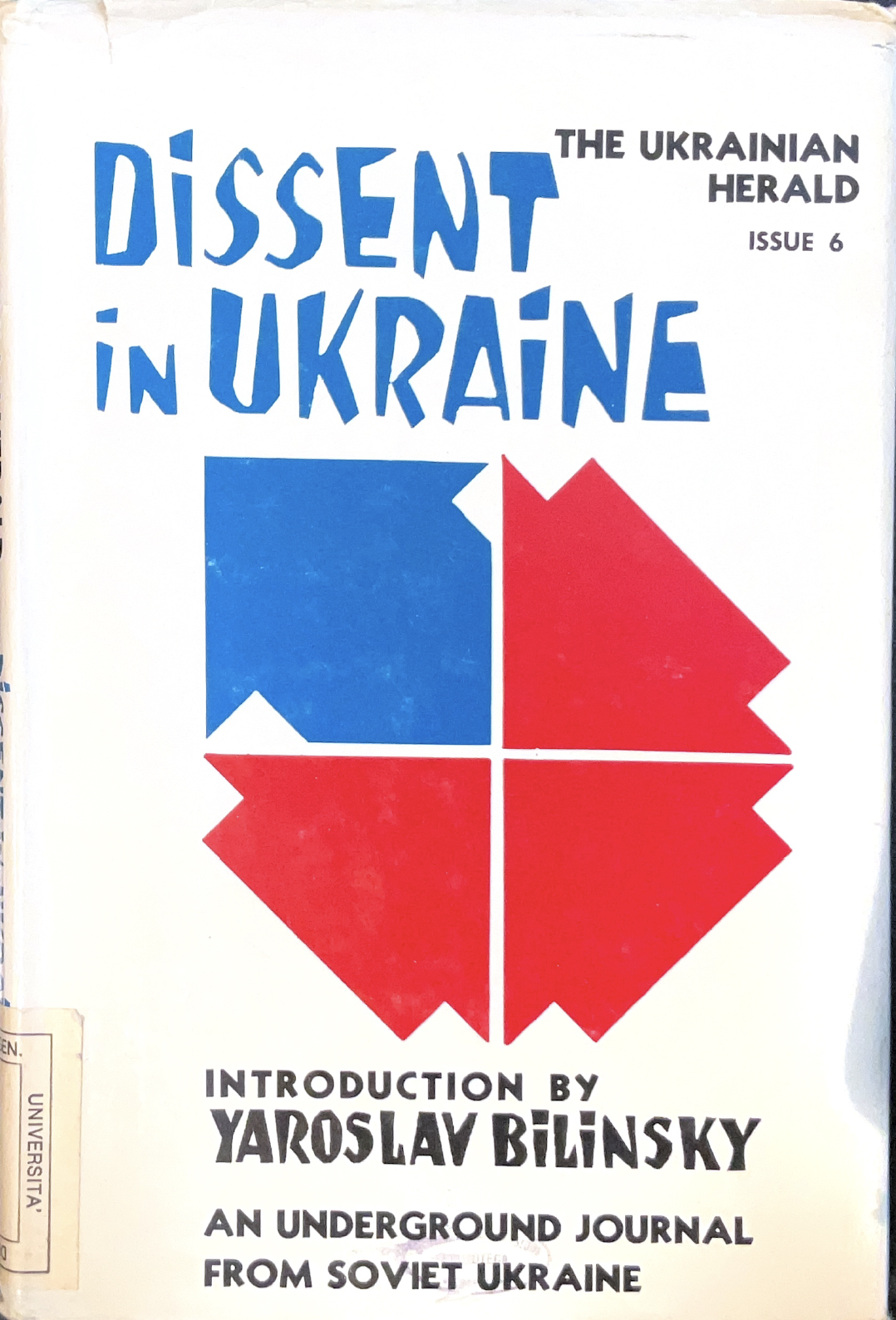
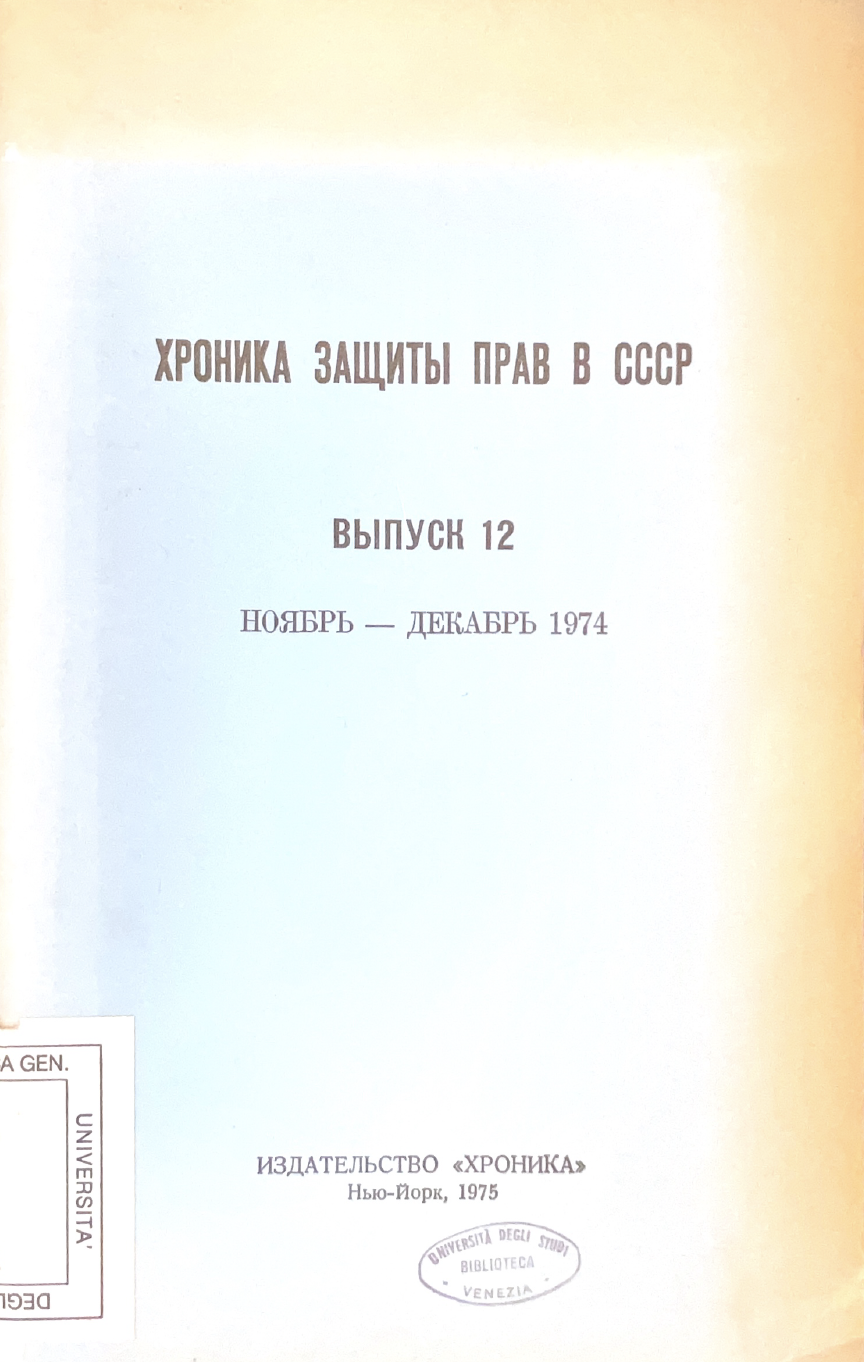
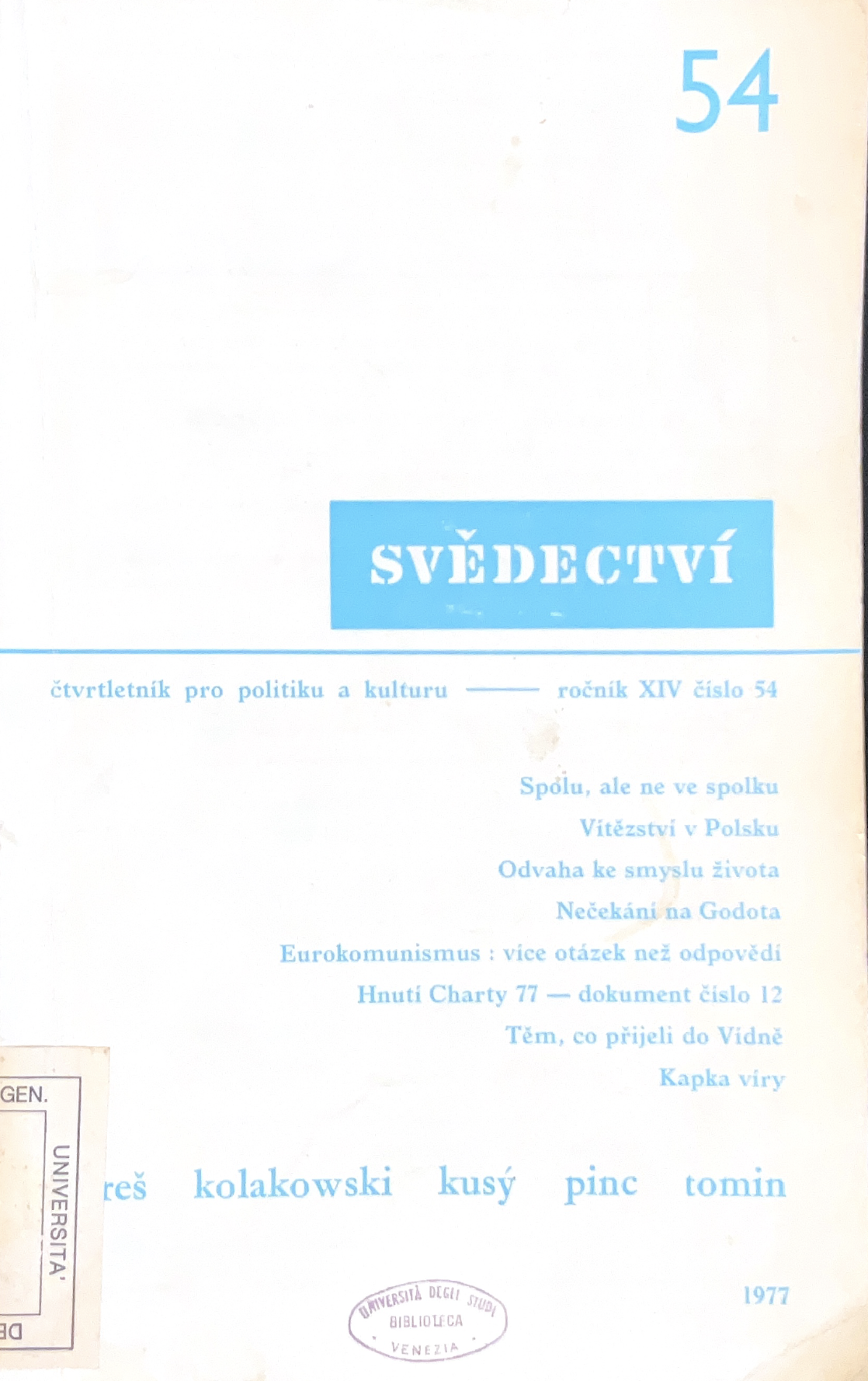
At CFZ a selection of fifteen items from the BALI’s tamizdat collection — including books and magazines — is on display. Among the books included in this selection are three volumes from the "Writers from the Other Europe" series, edited by Philip Roth and published by Penguin between 1976 and 1983: Laughable Loves by Milan Kundera, A Dreambook of Our Time by Tadeusz Konwicki, and This Way for the Gas Ladies and Gentlemen by Tadeusz Borowski; and three books by Aleksander Solzhenitsyn also published by Penguin: Matryona's House and Other Stories, Cancer Ward, and One Day in the Life of Ivan Denisovich. The selection also includes books and magazines dedicated to Czechoslovakia, including: the volume written by Jiří Pelikán and published by Coines on the Prague Spring, Qui Praga: cinque anni dopo la primavera; a collection of documents from the Central Committee of the Communist Party of Czechoslovakia, edited by Pelikán himself, on the political rehabilitation processes in Czechoslovakia (1949–1968) – Zakázany Dokument. (Zprava komise ÚV KSČ o politických procesech a rehabilitacích v Československu 1949-68) – and a key historical document mapping the illegalities and persecutions of the communist party in Czechoslovakia – Zpráva dokumentacni komise K 231 – first published in Belgium in Czech language in 1973, in the edition exhibited here and edited by Otakar Rambousek and Ladislav Gruber; and a volume edited by Jiří Maria Veselý and František Staudek, published in Italian by Jaca Book, on the Czechoslovak resistance in Italy during the Second World War, La resistenza cecoslovacca in Italia (1944-1945).Among the documents in this selection is also a collection of documents edited by the Moscow Helsinki Group on human rights violations in the USSR, published by Khronika Press in 1977, Sbornik dokumentov obščestvennoj gruppy sodejstvija vypolneniju Chel'sinskich soglašenij. Vypusk vtoroj; a volume of the journal Khronika zaščity prav v SSSR on human rights violations in the USSR, compiled by the editors of Khronika Press, directed by Valerii Chalidze; and one issue of the first Ukrainian samizdat literary journal Ukrainskyi visnyk (Ukrainian Herald) –founded in 1970 and edited by Viacheslav Chornovil until his arrest in 1972– published in English translation in 1977 – Dissent in Ukraine – as well as a reprint in Ukrainian of the first two issues of the journal – Ukrainskyi visnyk – both published by the tamizdat publishing Smoloskyp. Among the magazines, the selection also contains an issue of the tamizdat magazine of Czechoslovak emigration – Svědectví – founded by Pavel Tigrid in the United States in 1956.
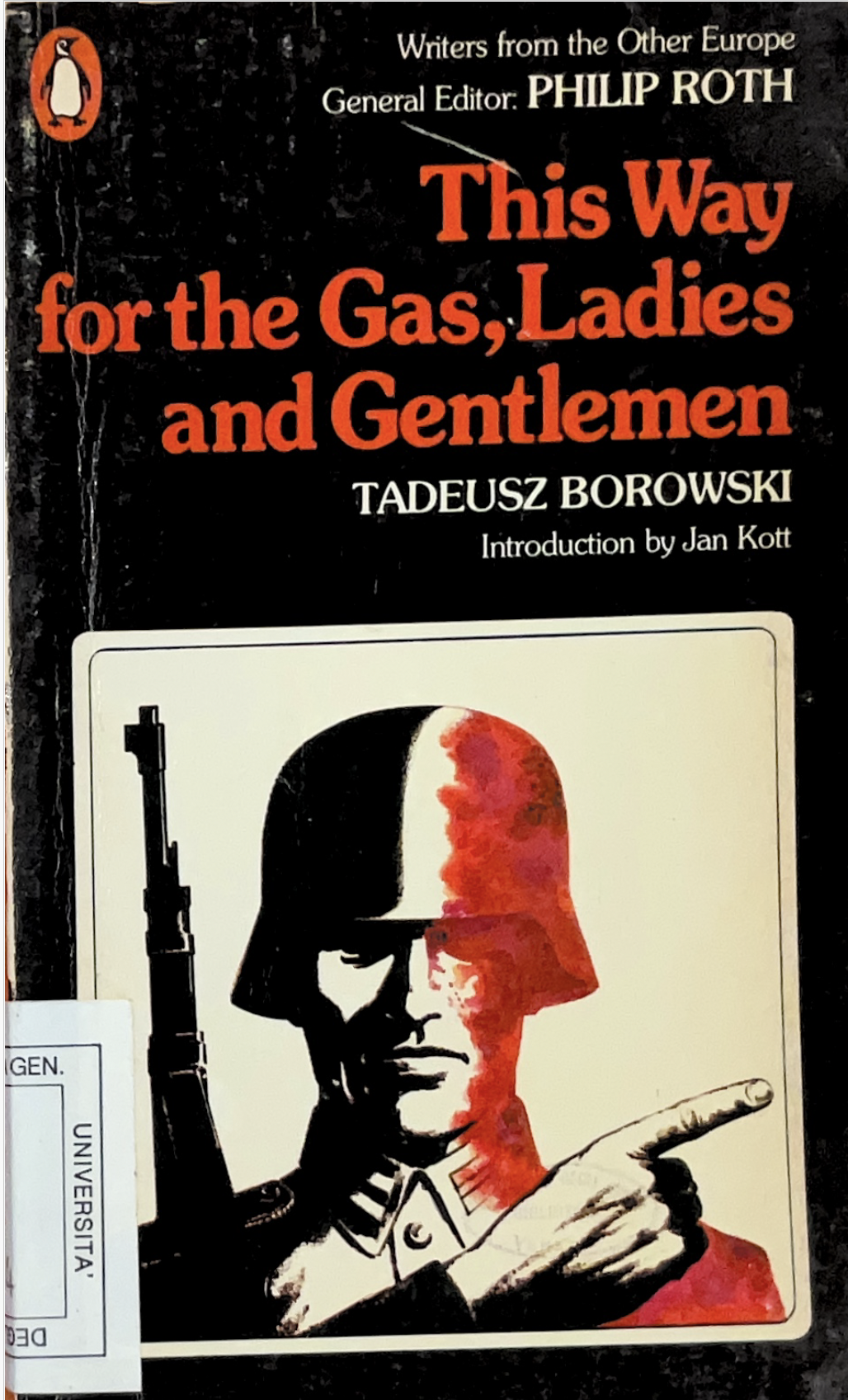
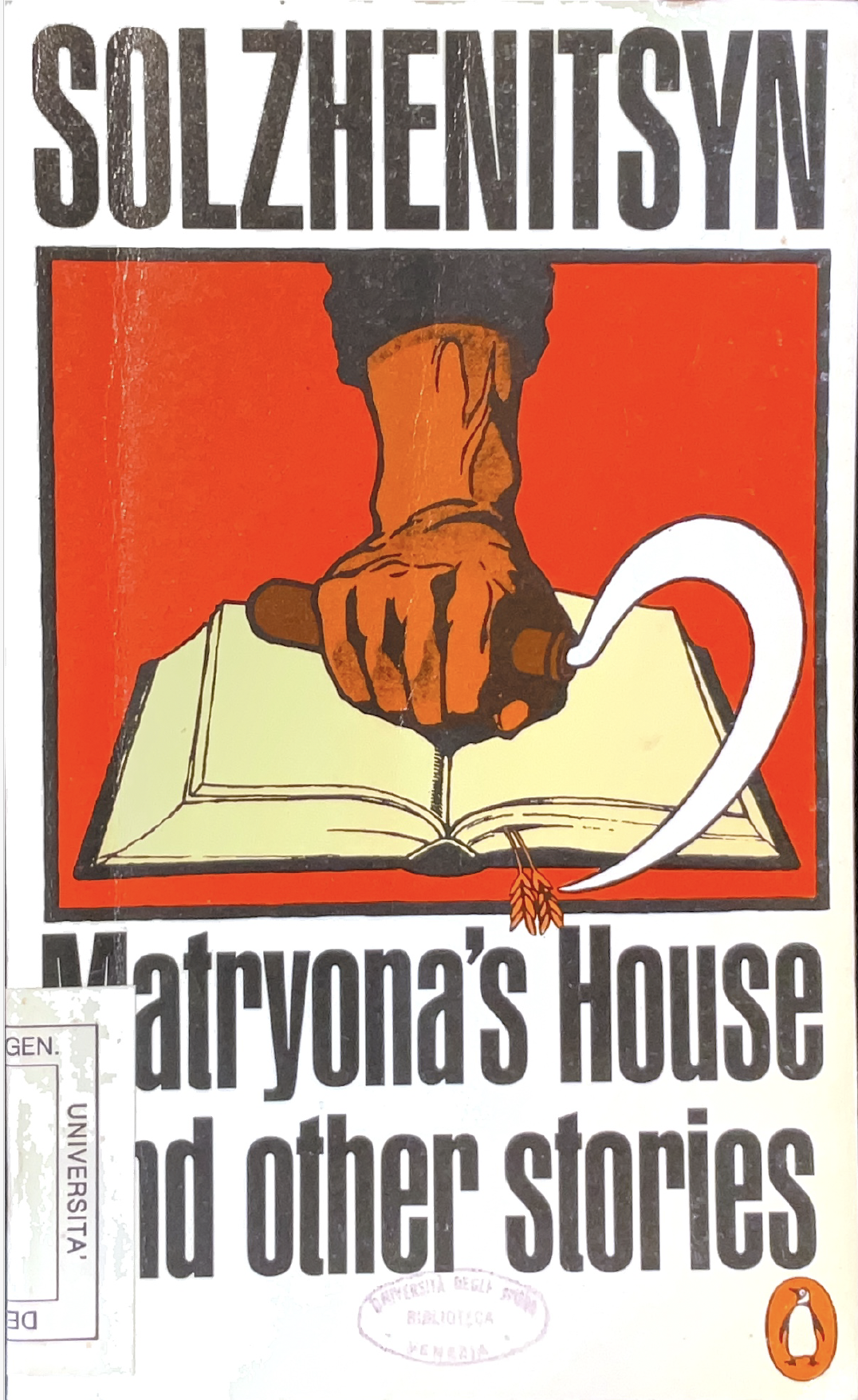
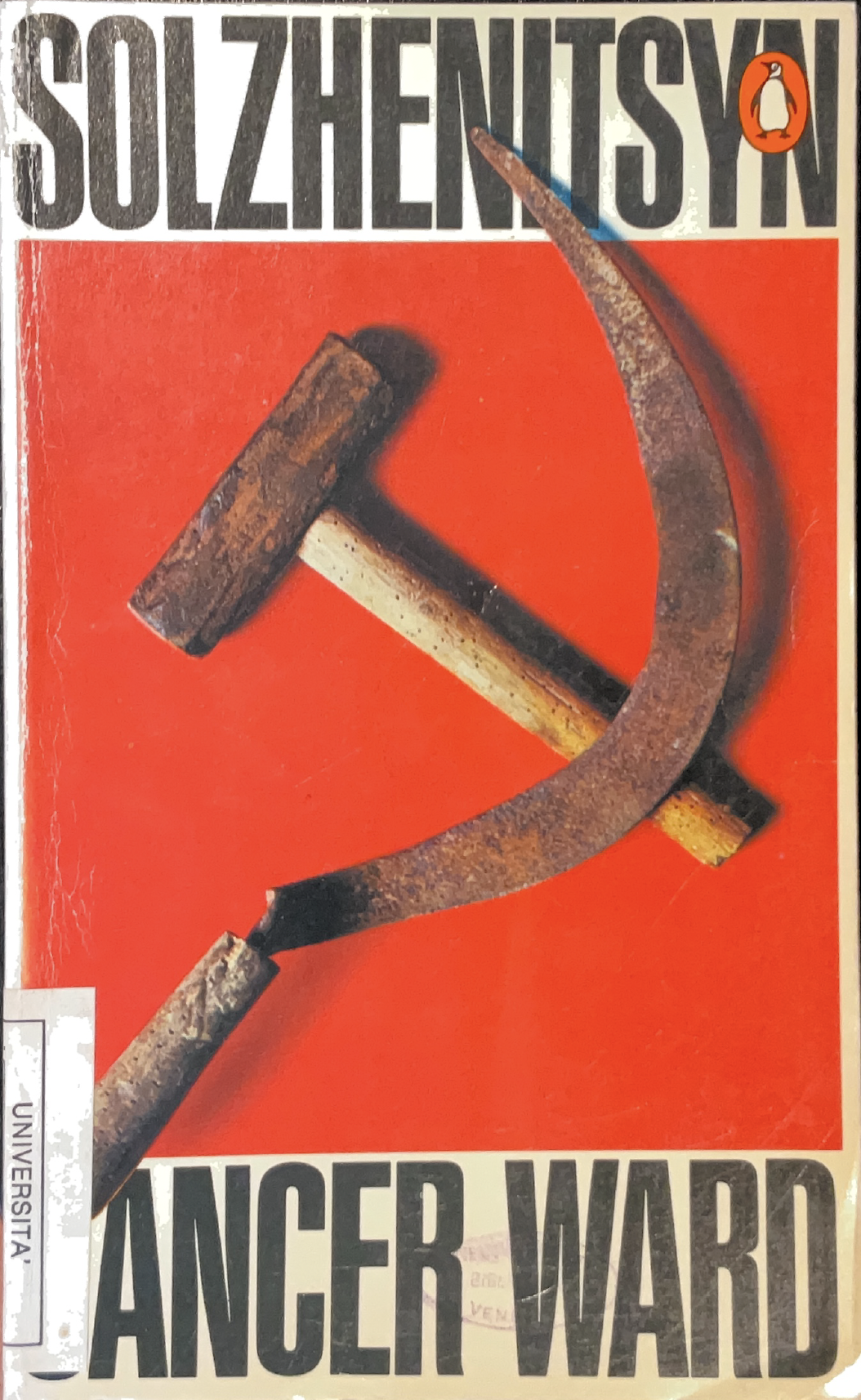
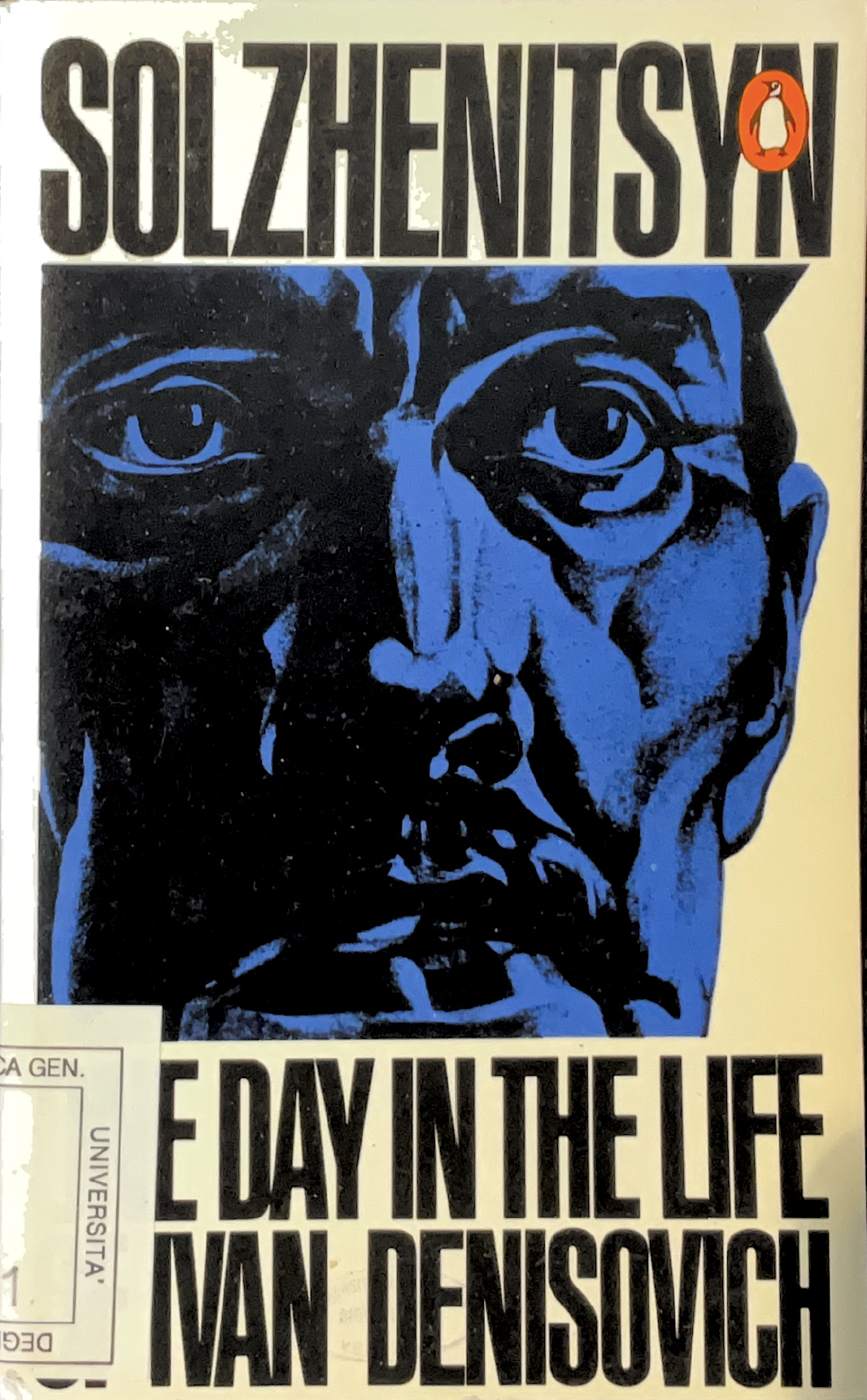
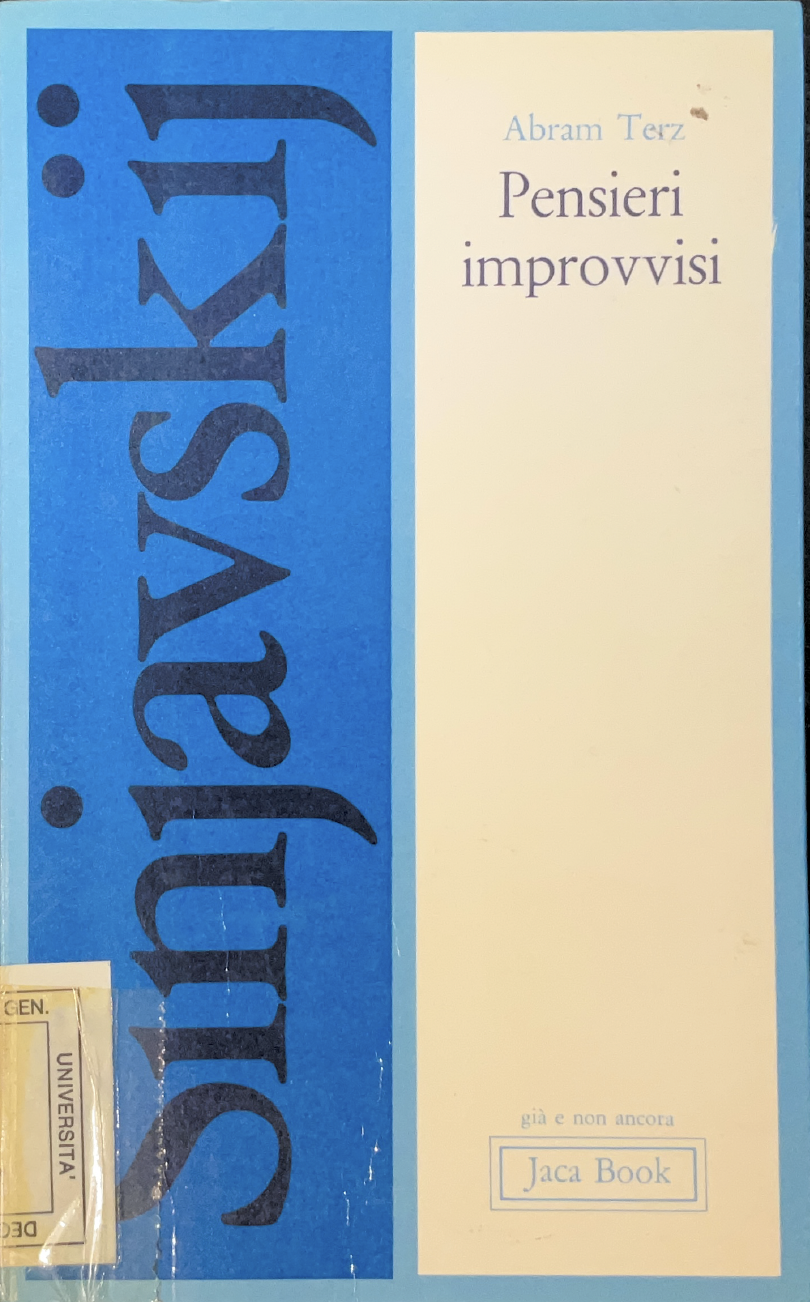
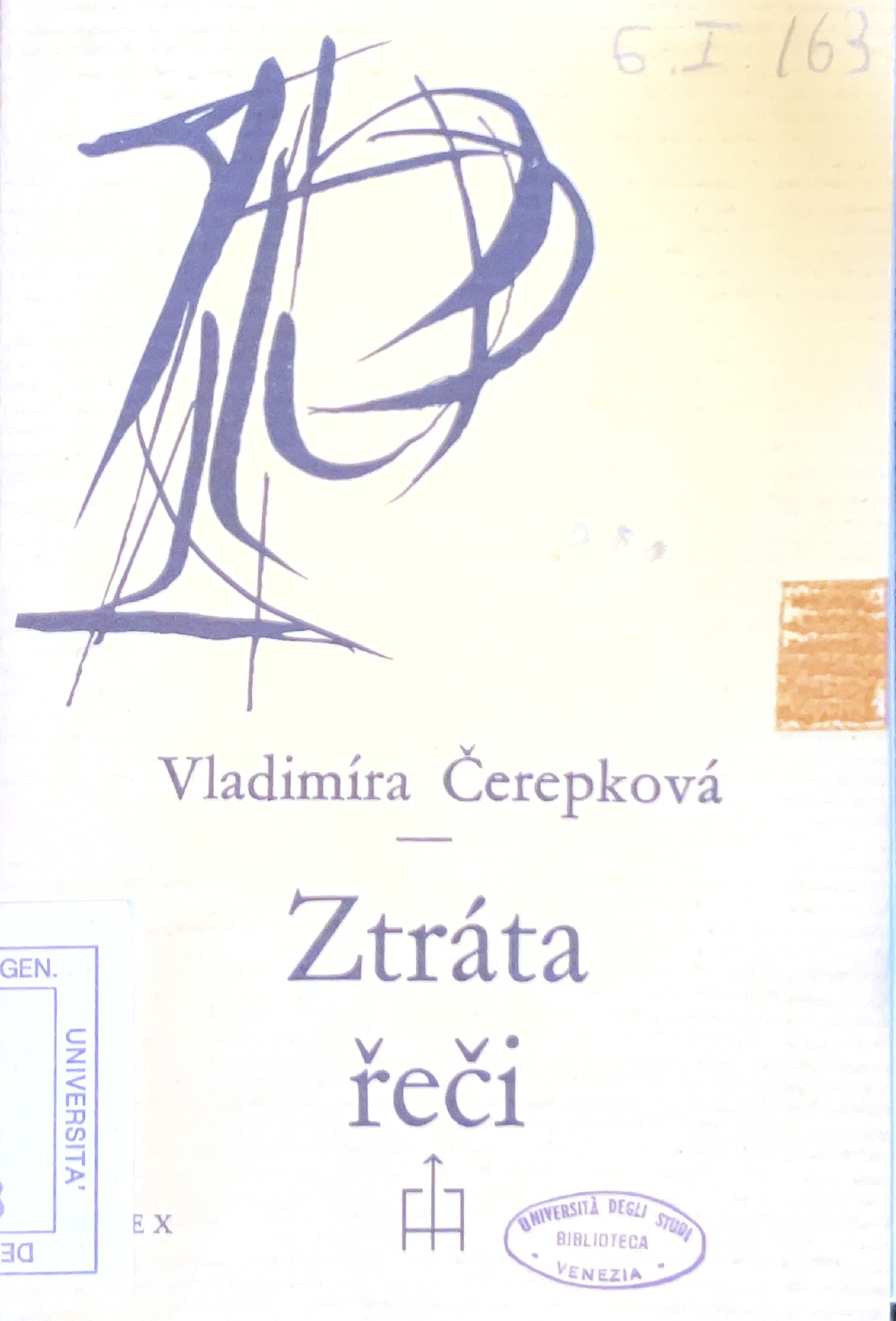
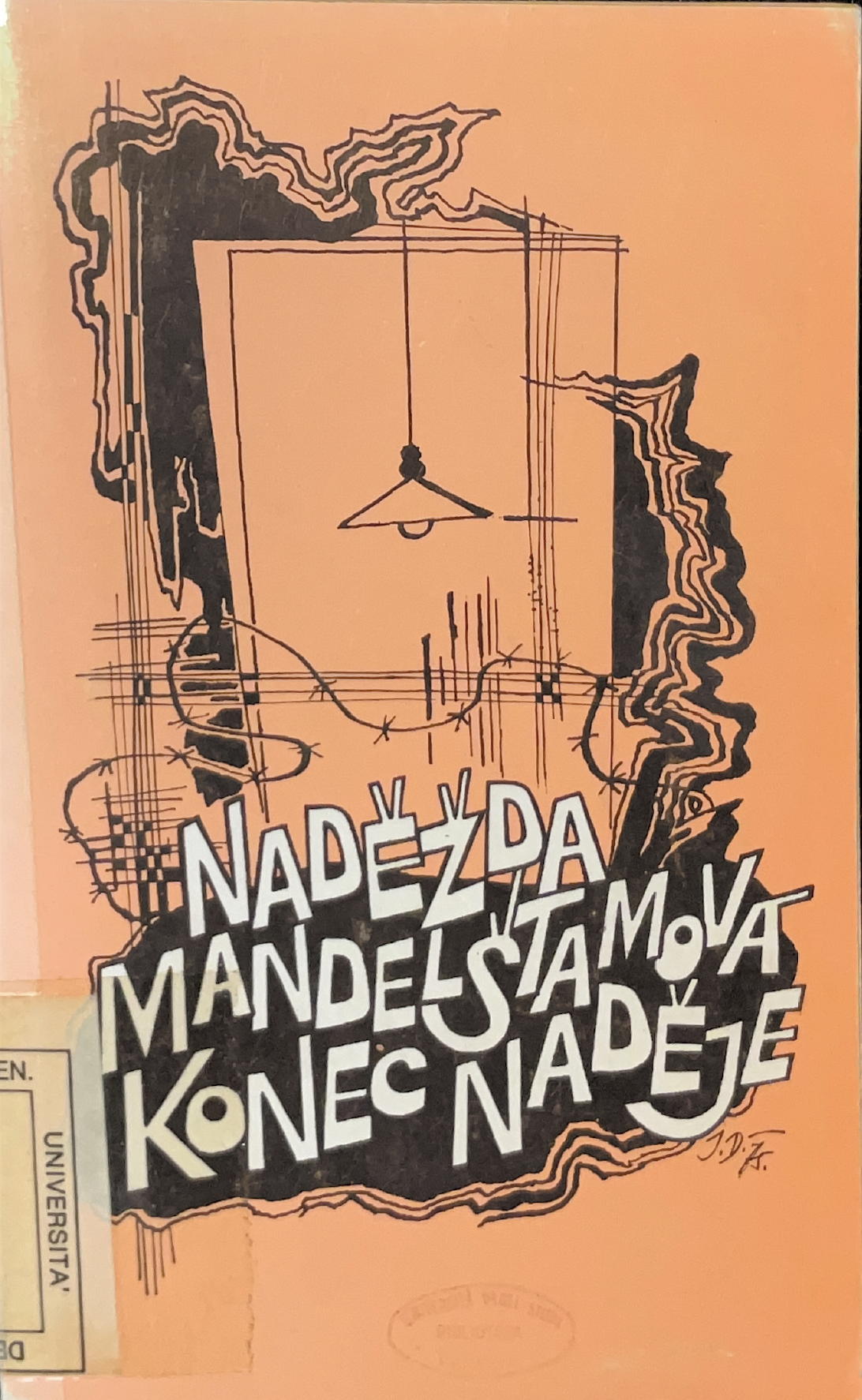
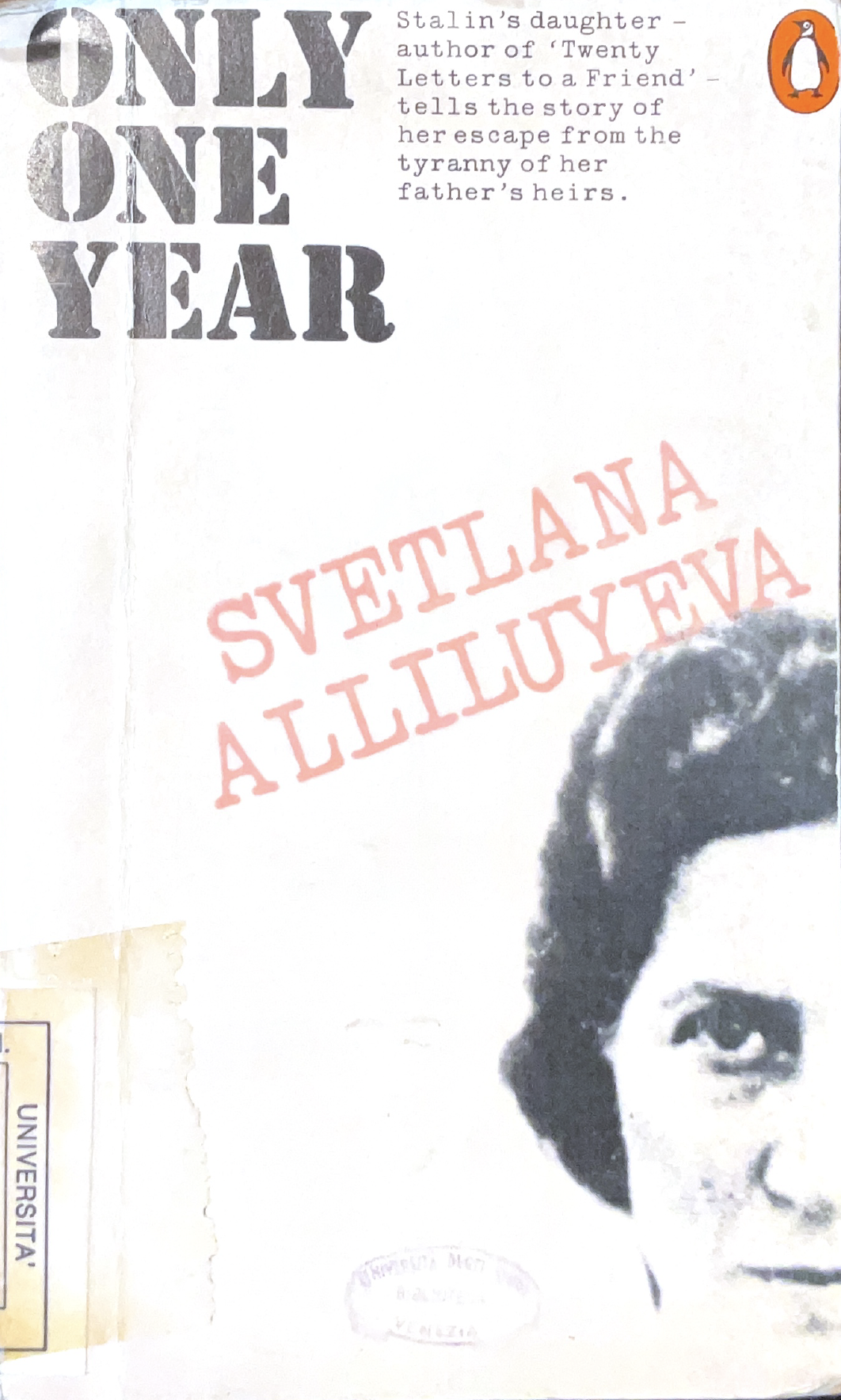
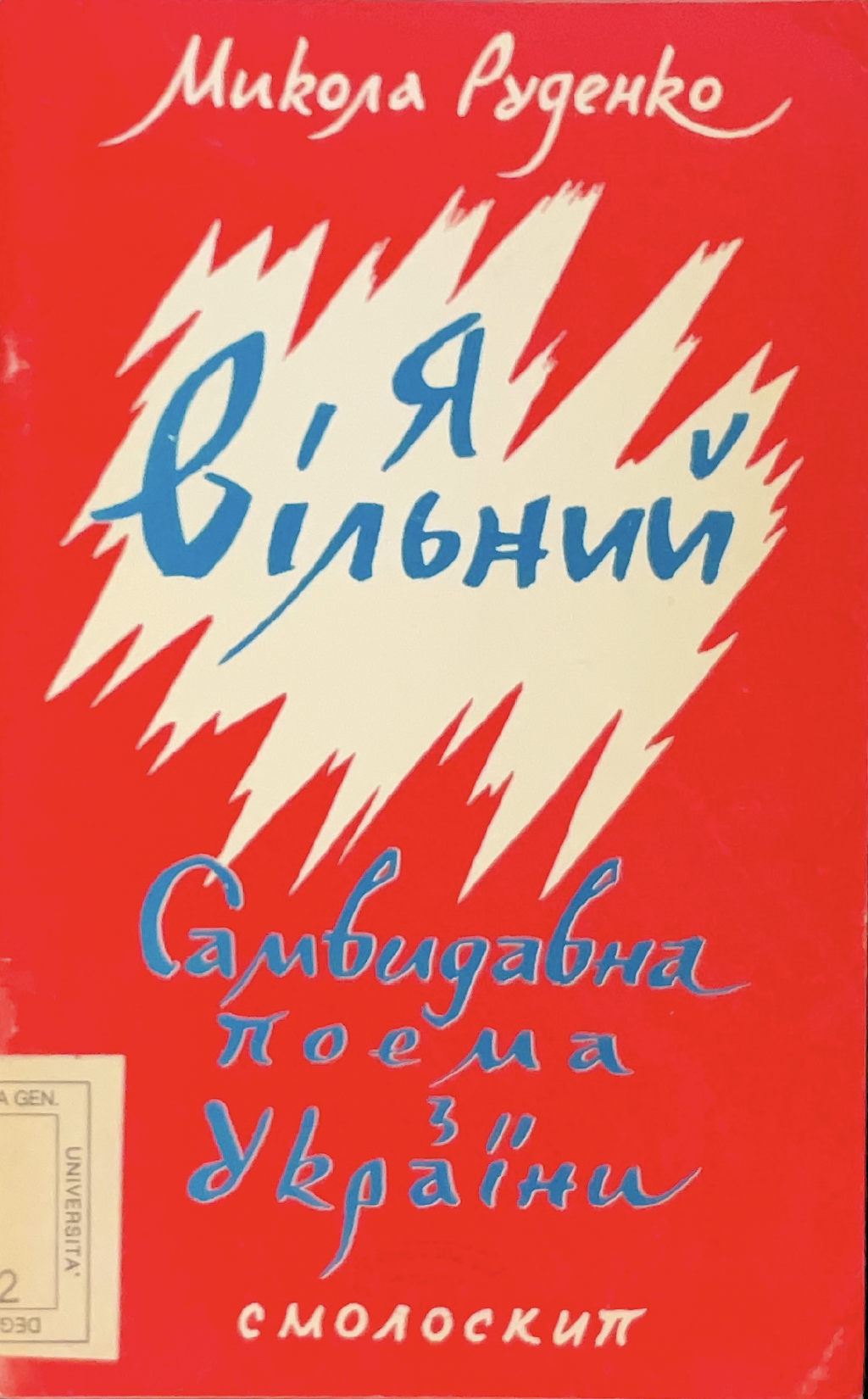
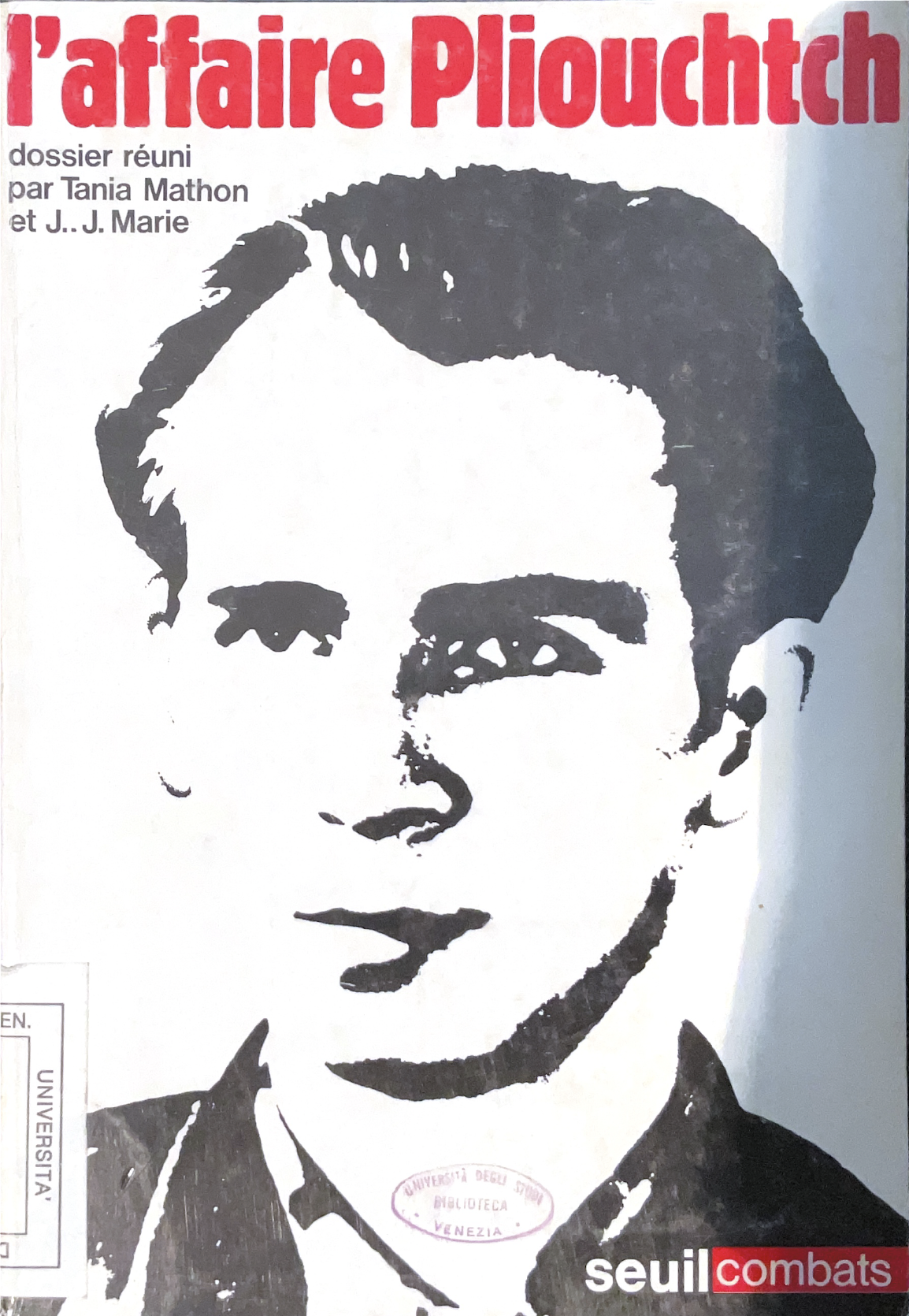
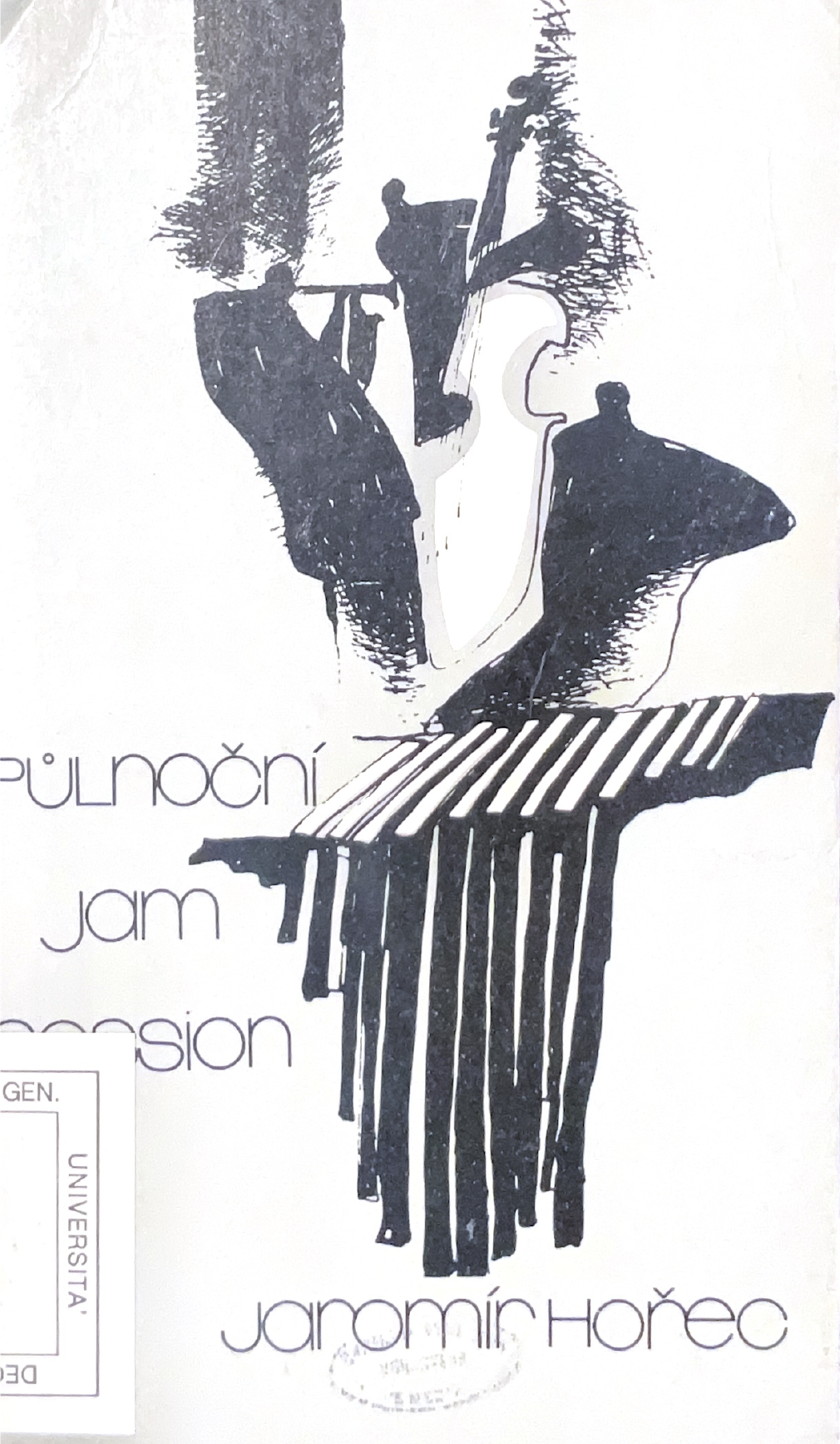
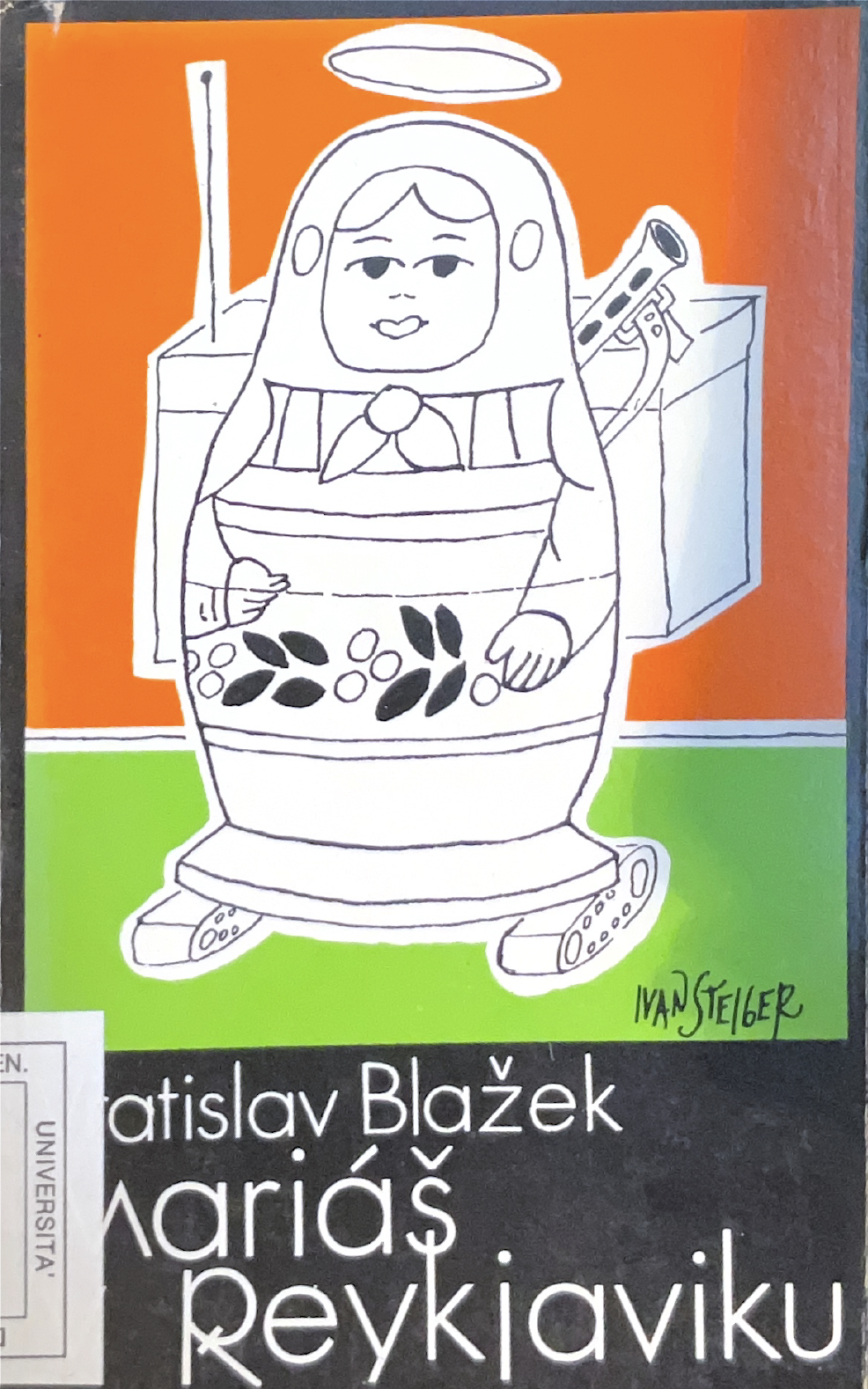
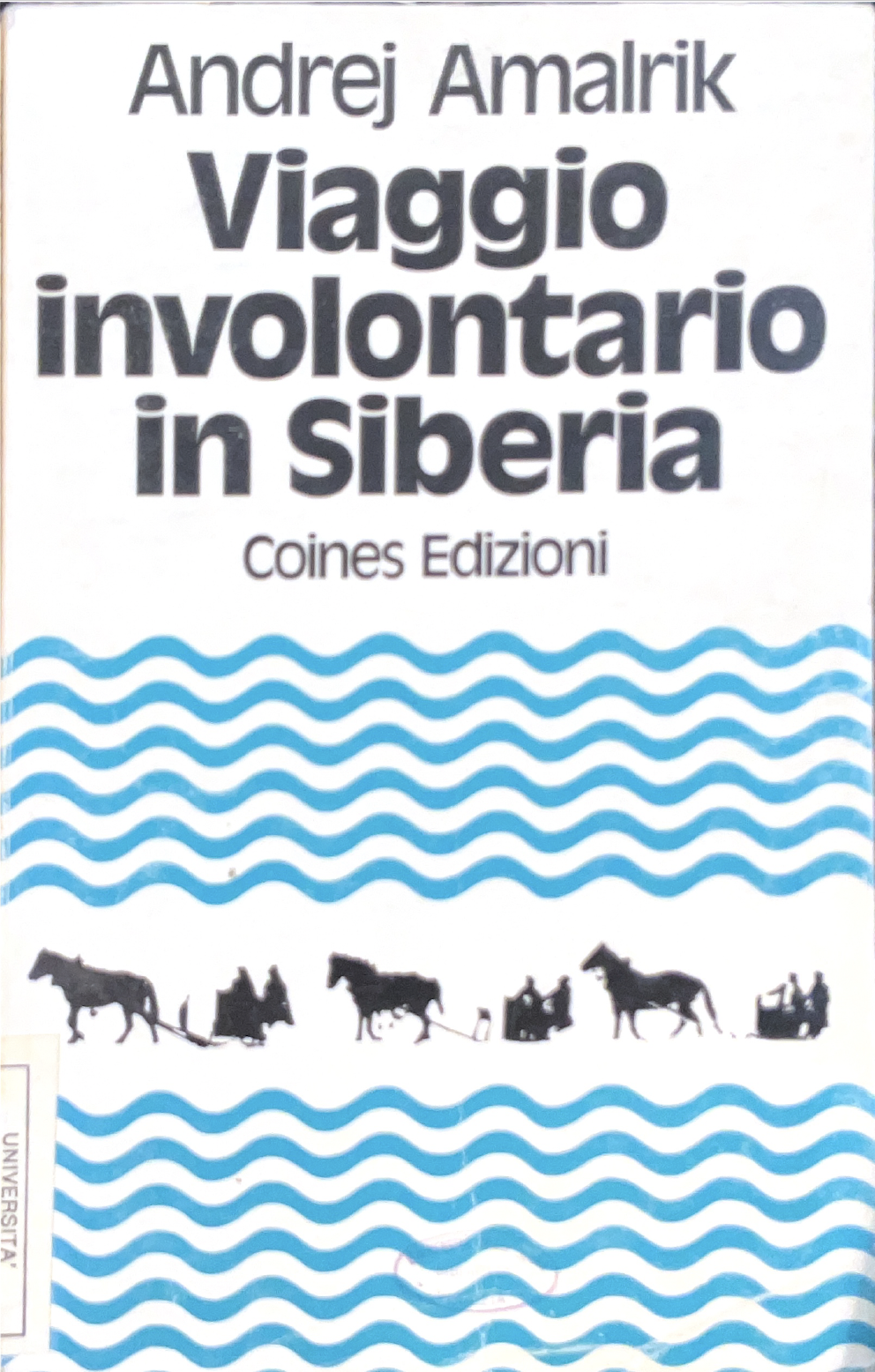
At Ca’ Bernardo a selection of ten items (books) is on display. The selection includes The selection of books on display at the BALI-Ca’ Bernardo includes some tamizdat published in various languages, including: the Italian edition of Mysli vrasplokh [Thought unaware] by Abram Terts (aka Andrei Siniavskii), published by Jaca Book in 1977 with the title Pensieri Improvvisi; the first Italian edition of Varlam Shalamov’s Kolymskye rasskazy [Kolyma tales], published by Savelli in 1976 with the title Kolyma: Trenta racconti dai lager staliniani; the Italian edition of Andrei Amal’rik’s Nezhelannoe puteshestvie v Sibir' [Involuntary journey to Siberia] – Viaggio involontario in Siberia – published by Coines in 1971; the Ukrainian edition of a collection of writings by Mykola Rudenko – Ja vil'nij: Poema, Istorija chvorobi, Scodennik kandidata v sizofreniki – published by the tamizdat publishing house of the Ukrainian emigration Smoloskyp; the Czech translation of Nadezhda Mandel'shtam’s memoir Vospominania, published by the tamizdat publishing house Index in 1975 with the title Konec naděje; the Czech edition of Vladimíra Čerepková’s book Ztráta řeči, published by Index in 1973; the Czech edition of Jaromír Hořec ‘s work Půlnoční Jam Session and Vratislav Blažek’s work Mariáš v Reykjaviku, both published by the Czech tamizdat publishing house Index; the first edition of the memoirs of Stalin’s daughter, Svetlana Alliluyeva – Only One Year – published by Penguin in 1971; and the white book of the trial against Leonid Pliushch, who was confined to a psychiatric hospital because of his human rights activism in the USSR, published in French by Éditions du Seuil in 1976 with the title L'affaire Pliouchtch.
All other titles in the BALI tamizdat collection (174 items) will be available for consultation in the BALI reading room (Ca’ Bernardo). The covers of the tamizdat books and magazines have been digitized and archived and linked to the Ca’ Foscari Libraries SearchWorks catalogue (CerCa’). As a result, the digital catalogue of Tamizdat@Ca’Foscari can also serve as a reference tool and interactive guide to the Biennale of Dissent’s tamizdat and tamizdat-related resources available at Ca’ Foscari University of Venice. By clicking on a book or magazine cover, users are redirected to the Tamizdat@Ca’Foscari’s catalogue record, where they can access the complete bibliographic data of the item, including the link to the Ca’ Foscari library system, where is possible to find book shelfmark and location.
Browse the full catalogue of 199 volumes →
The Dataset
The Tamizdat@Ca'Foscari collection draws on several sources, principally the library catalogue. Separate records of the books once donated to the library were gathered back and structured into a single dataset, helping us to see a bigger picture and trace the shape of the Biennale of Dissent's exhibition. Visualization of this data scales our vision and knowledge of the underlying process, revealing the networks behind the collection and the relations between authors, publishers, and other collaborators. Graphs built from the data provide us with insightful statistics, while the map charts the geography of tamizdat.
Notes
- The 68 Publishers was a Czech émigré publishing house founded in 1971 in Toronto (Canada), by Czech expatriate Josef Škvorecký and his wife Zdena Salivarová. ↩
- Smoloskyp was a Ukrainian émigré publishing house originally founded in Baltimore (USA), in 1967. It was one of the most relevant publishers of Ukrainian dissident literature. ↩
- Index was a Czech émigré publishing house founded by Adolf Müller and Bedřich Utitz in Cologne (Germany). In 1989, after the Velvet Revolution in Czechoslovakia, the publishing house shut down. ↩
- Khronika Press was a Russian publishing house founded in 1972 by the Soviet dissident physicist and human-rights activist Valerii Chalidze, in collaboration with Edward Kline, in New York (USA). It specialized in publications about and from the human-rights movement in the Soviet Union, such as the samizdat bulletin Khronika tekushchikh sobitii. ↩
- Between 4 October 1977 and 9 March 1978, delegates of the 35 nations that signed the 1975 Helsinki accord met in Belgrade to determine how well the commitments set out in the Final Act of the Conference on Security and Cooperation in Europe had been kept. From their work, a new issue in East–West diplomacy emerged: the recognition of human rights as an integral aspect of Détente. On the topic, see: Commission on Security, The Belgrade Follow-up Meeting. ↩
- Several publications analysed the historical, cultural and political international resonance of the Biennale of Dissent (Biennale, “Il dissenso culturale”; Guagnelli; Pajusco; and Ripa di Meana, Ordine di Mosca). Many scholarly articles and books analyse the different sessions, focusing on the films, performances and music events included in the Biennale of Dissent programme (Bertelé; De Florio; May; Pisu, Per una storia veneziana). However, only a small book is dedicated to the Biennale tamizdat and samizdat exhibition (Dogliani) and a chapter in the Annuario of the Biennale (“Il dissenso culturale” 580–586). For further detailed information about the Biennale’s exhibition Libri, Riviste, Manifesti, see Sicari. ↩
- The Russian acronym samizdat (lit. “self-published”) refers to handwritten and typewritten manuscripts (novels, poetry, essays, open letters, magazines, journals, newspapers, bulletins) which — banned or not submitted to censorship control — circulated clandestinely in the Soviet and Eastern European underground. ↩
- The Russian acronym magnitizdat (lit. “tape-recorded publishing”) refers to clandestine audio-tape records of banned music, interviews, radio programmes, poetry and book readings circulating illegally in the Soviet and Eastern European underground. Another type of clandestine audio recording was the so-called rentgenizdat / roentgenizdat / röntgenizdat (lit. “X-ray-recorded publishing”), an acronym created from the name of Wilhelm Conrad Röntgen, referring to self-bootleg records of banned music on X-rays — also known as muzyka na kostiakh [music on bones] or muzyka na rëbrakh [music on ribs]. ↩
- «L’esposizione di Libri e Samizdat, che inizierà il 15 novembre e sarà divisa in quattro parti: –Libri in commercio tradotti; –Libri in lingue originali dei paesi dell’Est pubblicati all’estero; –Riviste e giornali; –Samizdat». All English translations are the author’s own unless noted otherwise [IS]. ↩
- «Si è richiesto agli espositori di lasciare i loro libri alla biblioteca dell’Università di Venezia, che a sua volta ha promesso di organizzare successivamente un’altra esposizione nei propri locali. […] Sono stati finora invitati oltre 300 editori italiani e stranieri perché prendano parte con loro libri alla mostra». ↩
- On the reception of Varlam Shalamov’s Kolyma Tales in Italy, see: Calusio. ↩
Bibliography
BERTELÉ, Matteo. Arte sovietica alla Biennale di Venezia (1924–1962), Mimesis, 2020.
BIENNALE. “Il dissenso culturale”. In Annuario 1978. Eventi del 1976–77, La Biennale di Venezia, 1979, pp. 528–548.
BOURDIEU, Pierre. The Field of Cultural Production, Columbia University Press, 1994.
CALUSIO, Maurizia. “La lagernaja literatura in Italia (1991–2022). Qualche nota su edizioni e riedizioni di un canone minimo”, Studi Slavistici, XX, 1 (2023): 111–127. <oaj.fupress.net/index.php/ss/article/view/14633>.
COMMISSION ON SECURITY AND COOPERATION IN EUROPE. The Belgrade Follow-up Meeting to the Conference on Security and Cooperation in Europe: A Report and Appraisal, US Government Printing Office, 1978.
DE FLORIO, Giulia. Bulat Okudžava. Vita e destino di un poeta con la chitarra, Libri del Club Tenco, 2019.
DOGLIANI, Gianfranco (ed.). Tecniche del consenso e forme del dissenso all’Est, La Biennale di Venezia, 1977.
GUAGNELLI, Simone. “Rane, elefanti e cavalli. Vittorio Strada e la Biennale del 1977”, in Il samizdat tra memoria e utopia, eds. Alessandro Catalano and Simone Guagnelli, eSamizdat, 8 (2010–2011): 317–329.
HERLING-GRUDZIŃSKI, Gustaw and Piero SINATTI. Ricordare, raccontare – conversazioni su Šalamov, ed. A. Raffetto, L’Ancora, 1999.
LEVI, Primo. “Dai Lager di Stalin”, Tuttolibri–La Stampa, 25 September 1976, p. 2.
MAY, Jan. “Biennale of Dissent (1977): Nonconformist Art from the USSR in Venice”. In Art beyond Borders: Artistic Exchange in Communist Europe (1945–1989), eds. Jérôme Bazin, Pascal Dubourg Glatigny and Piotr Piotrowski, CEU Press, 2016, pp. 357–368.
PAJUSCO, Vittorio. “1977 La Biennale del Dissenso – The Biennale of Dissent”. In Le muse inquiete. La Biennale di Venezia di fronte alla storia, La Biennale di Venezia, 2020, pp. 268–283.
PISU, Stefano. “Dissenso e solidarietà transnazionale. L’affare Paradžanov alla Biennale di Venezia del 1977”, in Il comunismo nella storia europea del XX secolo, eds. Tito Forcellese et al., Edizioni Nuova Cultura, 2017, pp. 165–181.
—. “Per una storia veneziana del cinema sovietico: l’Urss e la Mostra (1932–1977)”, in Italia-Russia. Un secolo di cinema, eds. Stefano Pisu, Massimo Tria et al., ABC Design/PBN Print, 2020, pp. 216–229.
REISCH, Alfred. Hot Books in the Cold War, CEU Press, 2014.
RIPA DI MEANA, Carlo. “News from the Biennale”, The New York Review, September 15, 1977.
—. L’ordine di Mosca: fermate la Biennale del Dissenso, Liberal, 2007.
—. Le mie Biennali (1974–1978), Skira, 2019.
SCOTT-SMITH, Giles and Hans KRABBENDAM, eds. The Cultural Cold War in Western Europe (1945–60), Frank Cass Publisher, 2003.
SICARI, Ilaria. “Mapping Soviet Underground Culture in Italy: Routes, Networks and Paratexts. An Introduction.”, Enthymema, 39 (2026).
SOWIŃSKI, Paweł. “Cold War Books: George Minden and His Field Workers, 1973–1990”, East European Politics and Societies and Cultures, 34, 1 (2020): 48–66.
—. “Overseas Mechanism: The Polonia Book Fund, Ltd., Transnational Network, 1958–1963”, East European Politics and Societies, 35, 2 (2021): 384–406.
Archival Sources
Ca’ Foscari Historical Archives (Ca’ Foscari, Venezia). Minutes of the Academic Senate, Academic Senate Series, 1977, 28 October 1977, 5-IV, pp. 417–418.
—. Minutes of the General Library meetings (1977–1980), Library series, b. 2.
Historical Archive of Contemporary Arts (ASAC, Porto Marghera-Venezia). Programma della Biennale di Venezia 1977 “Dissenso Culturale”, b. 271-1.
Hoover Institution Library and Archives (HILA, Stanford). Radio Free Europe/Radio Liberty corporate records, Program reports, 1967–1969, Box 259, Folder 3.
Open Society Archives (OSA, Budapest). Alfred A. Reisch Collection, HU OSA 312.